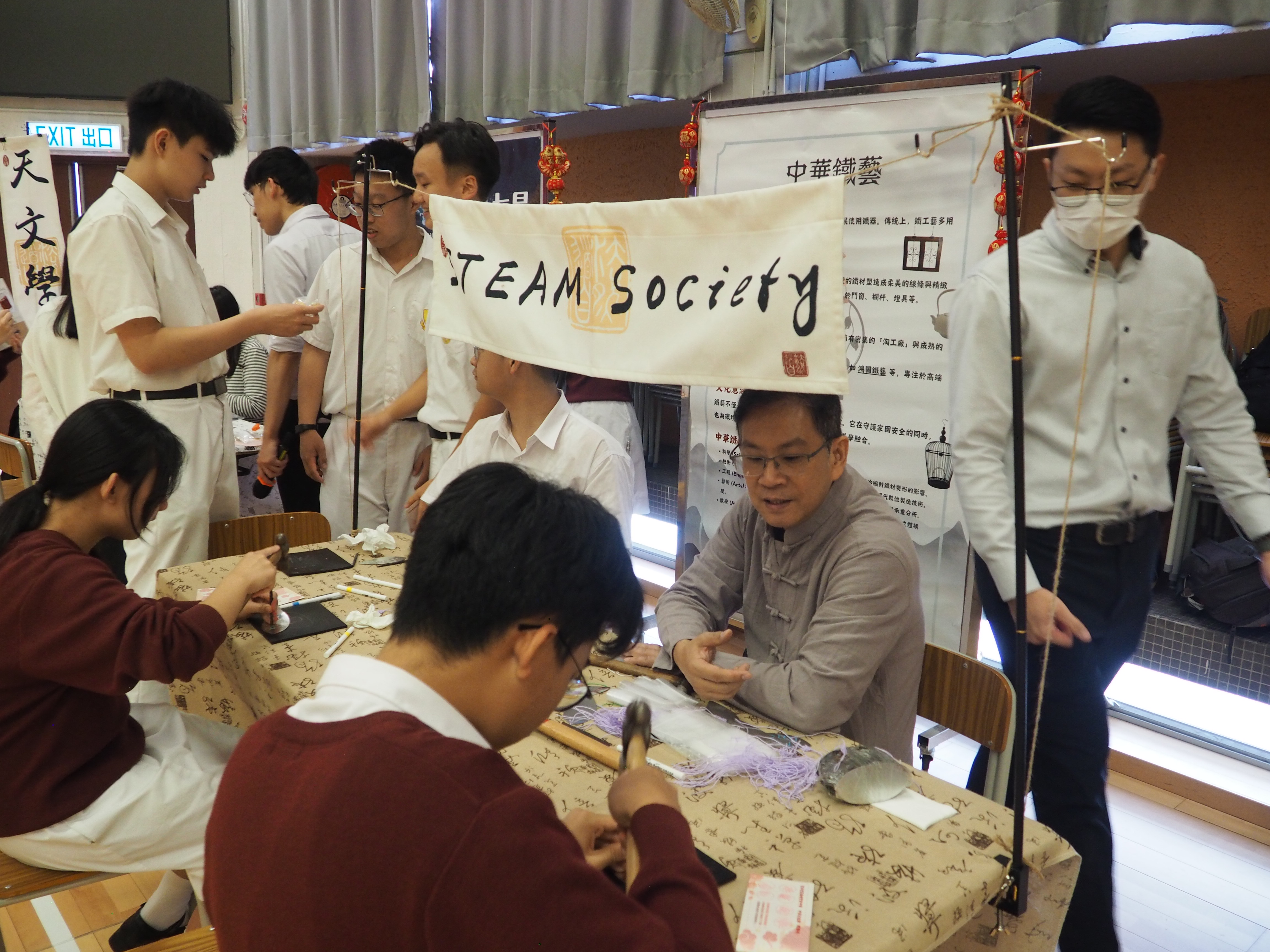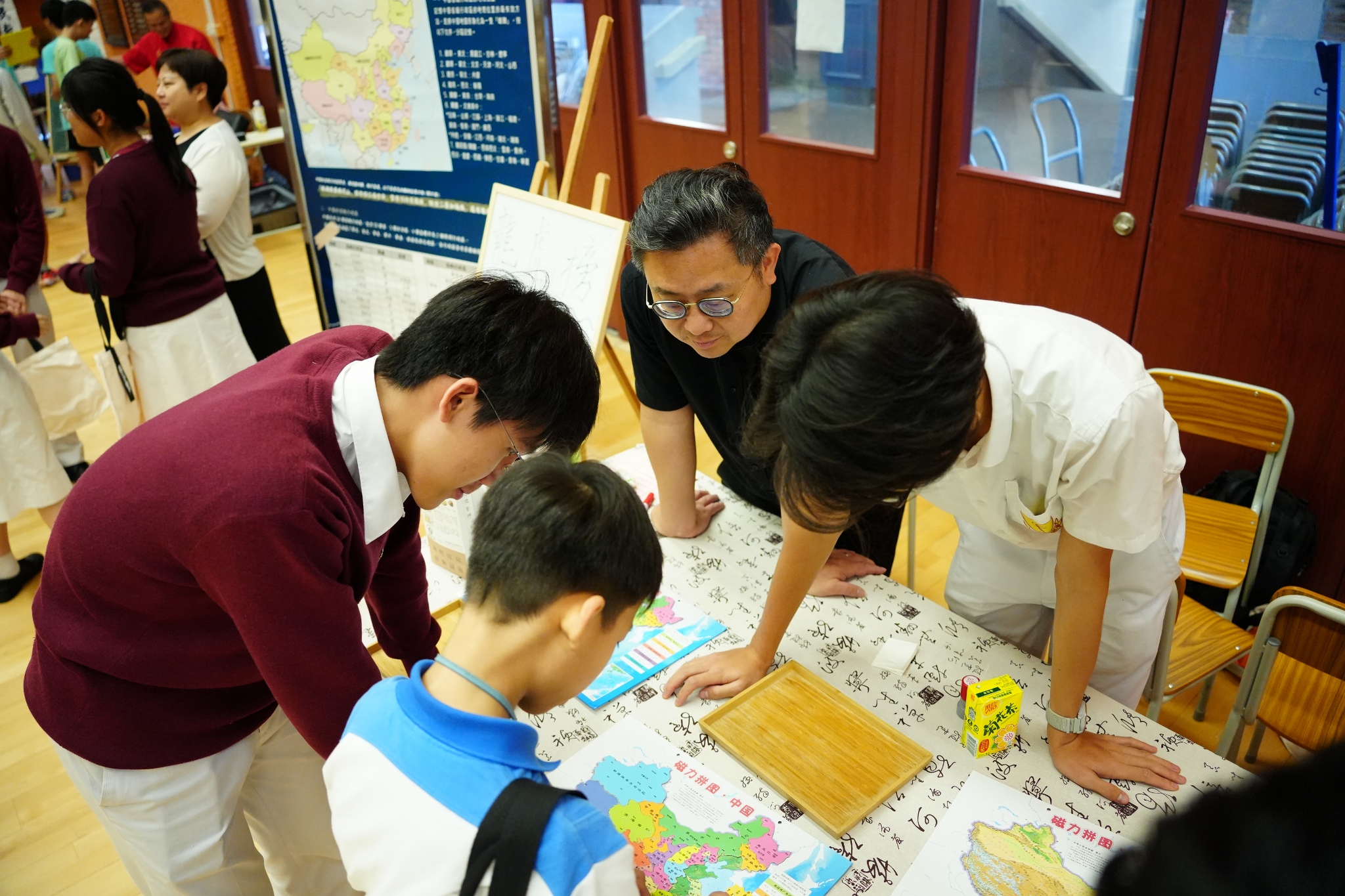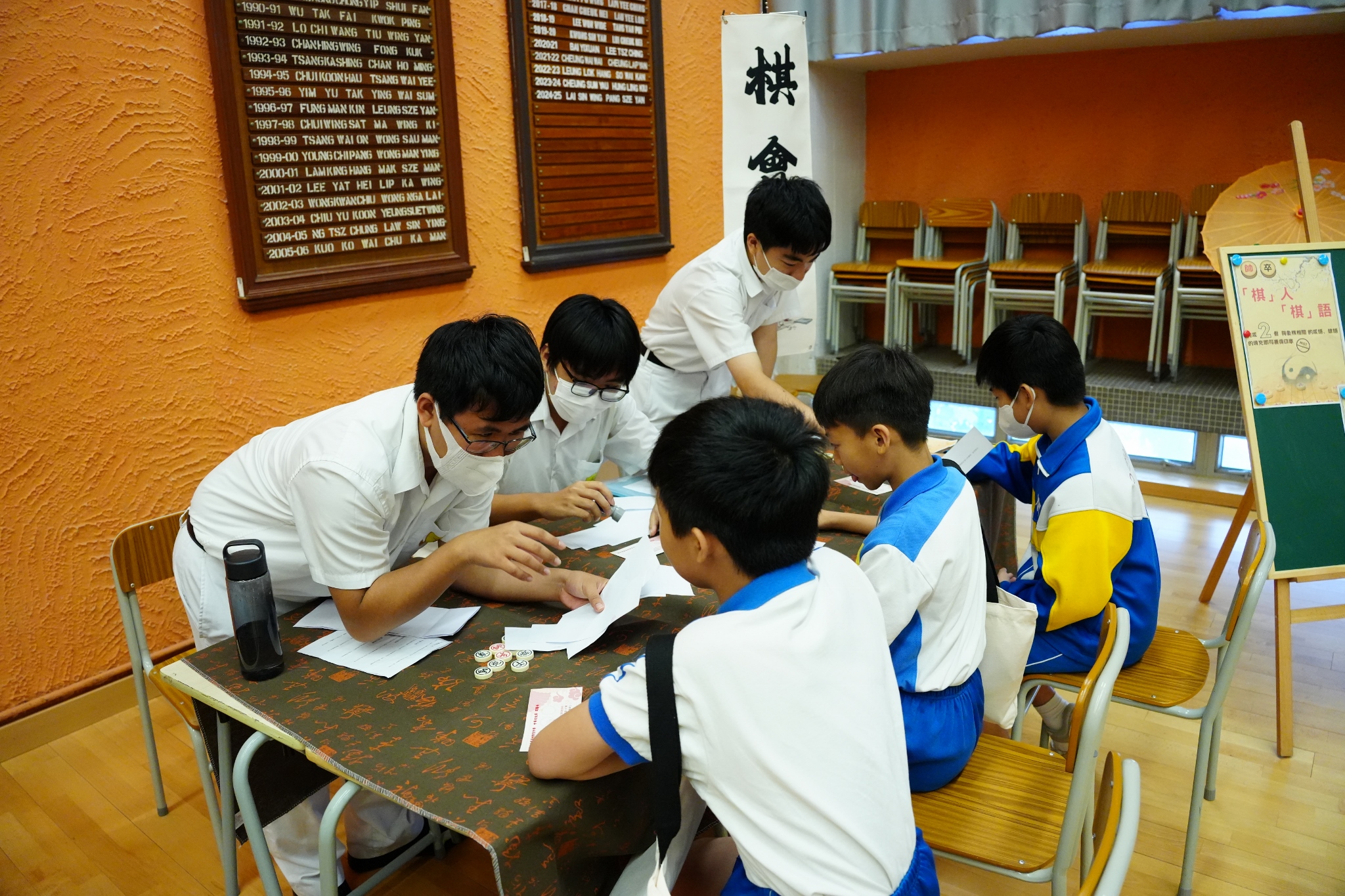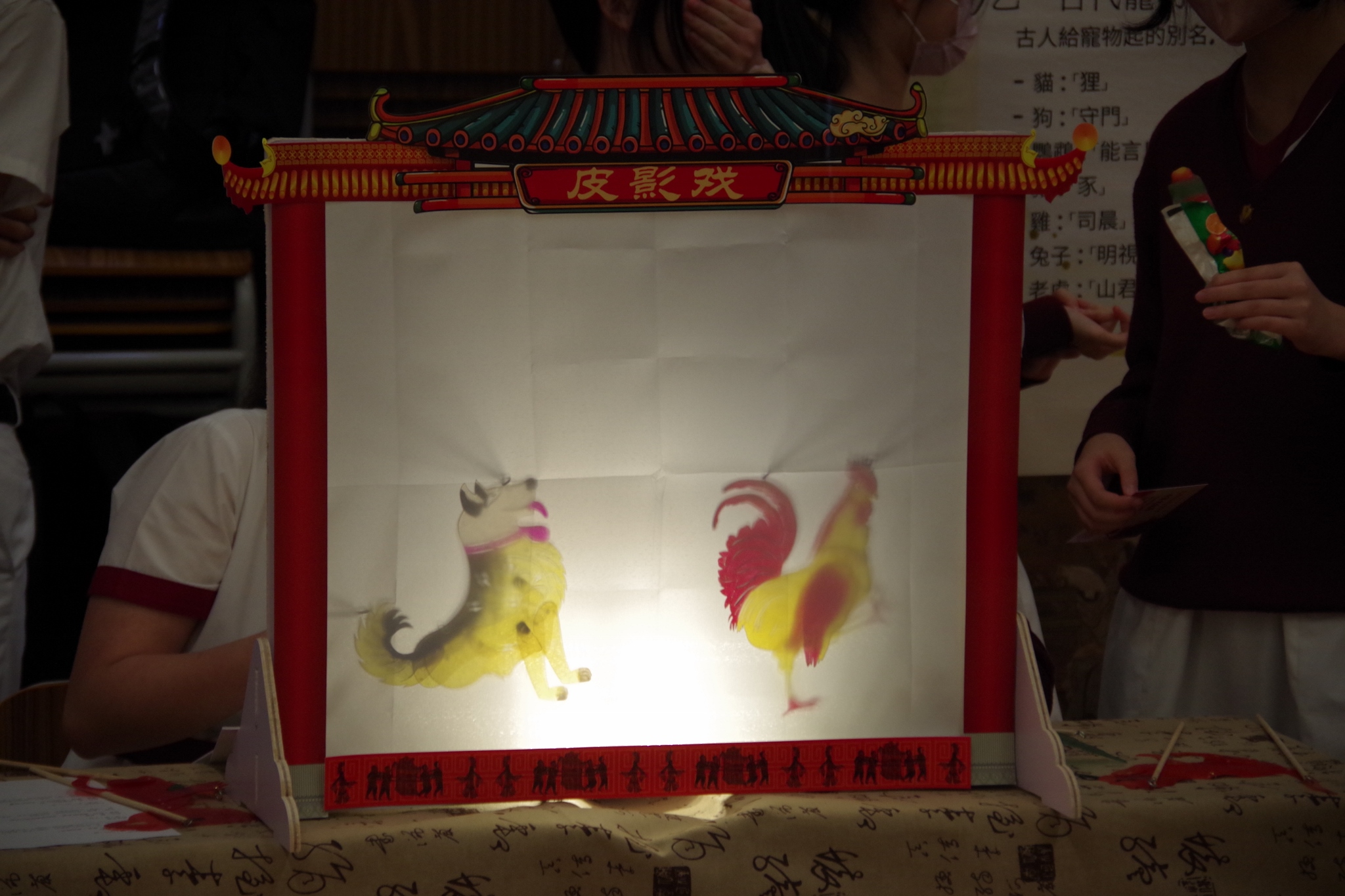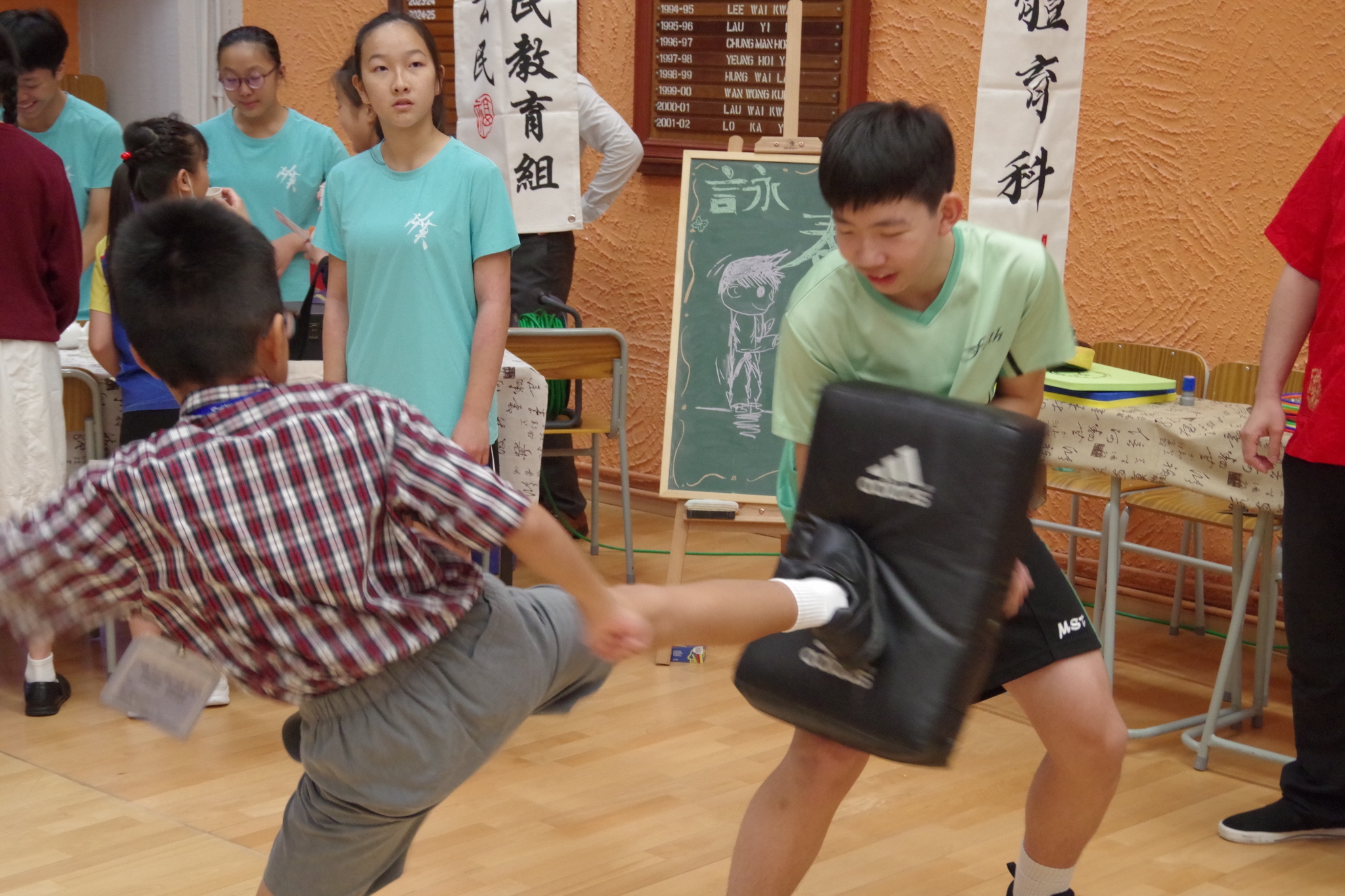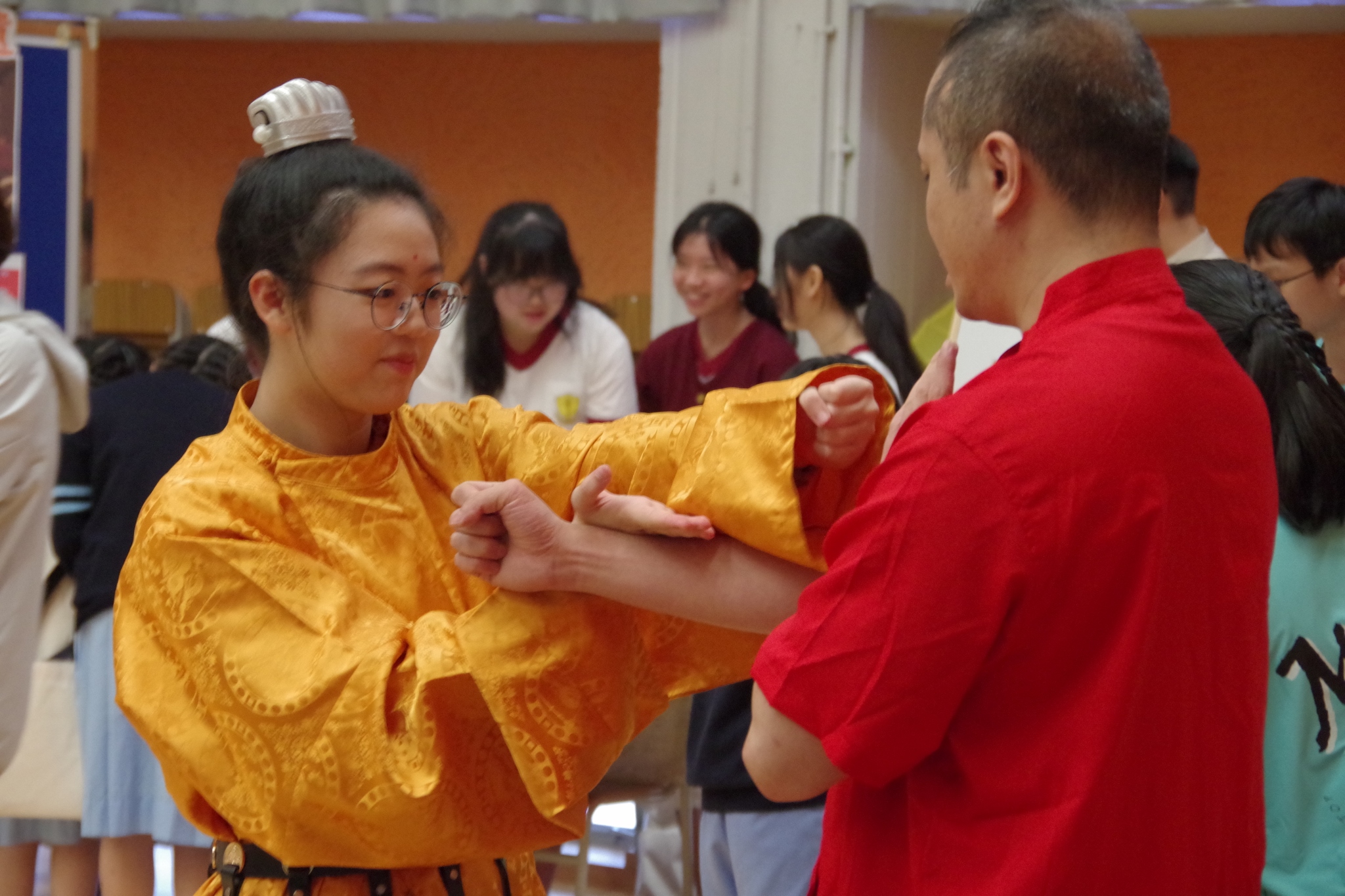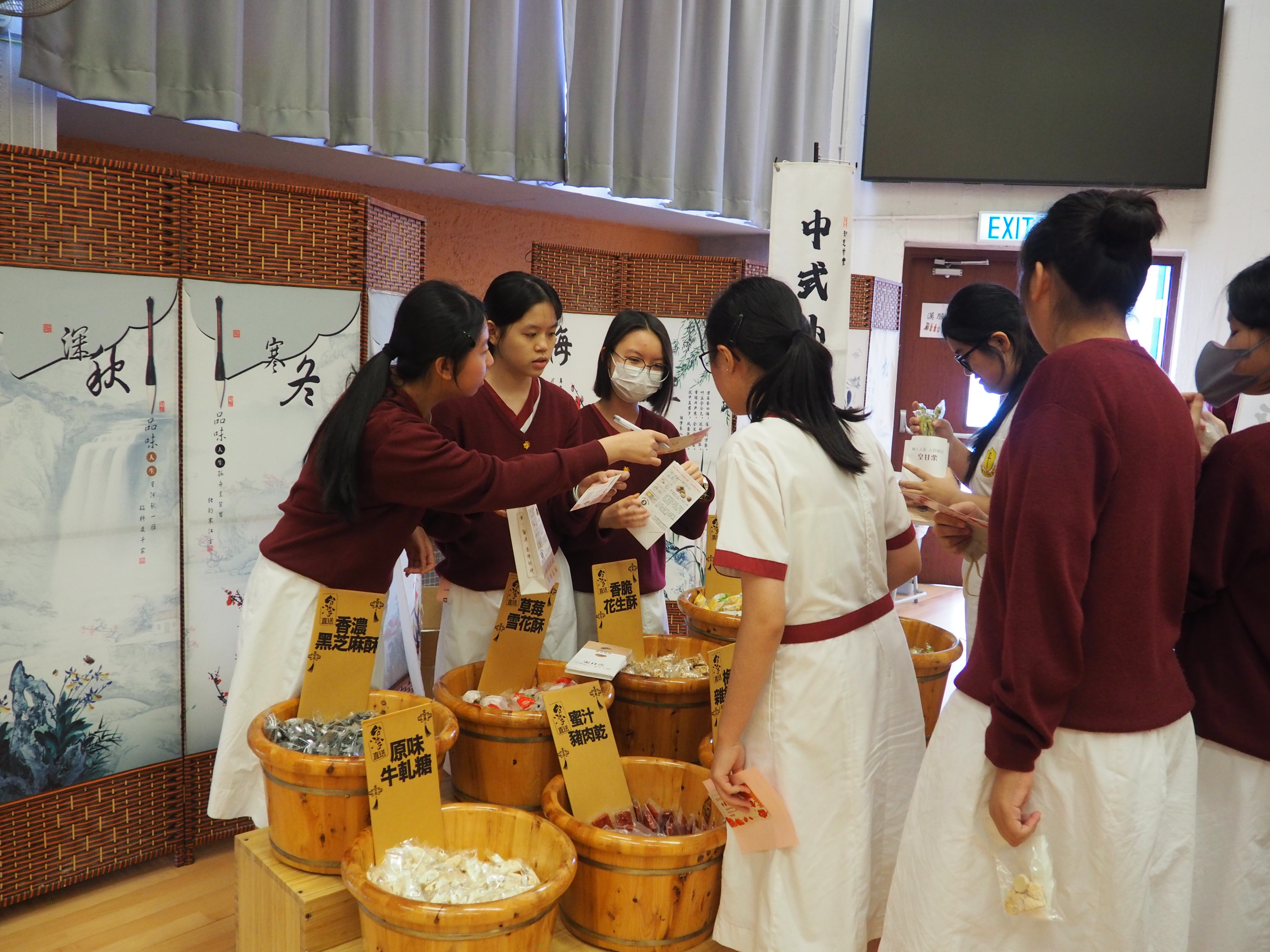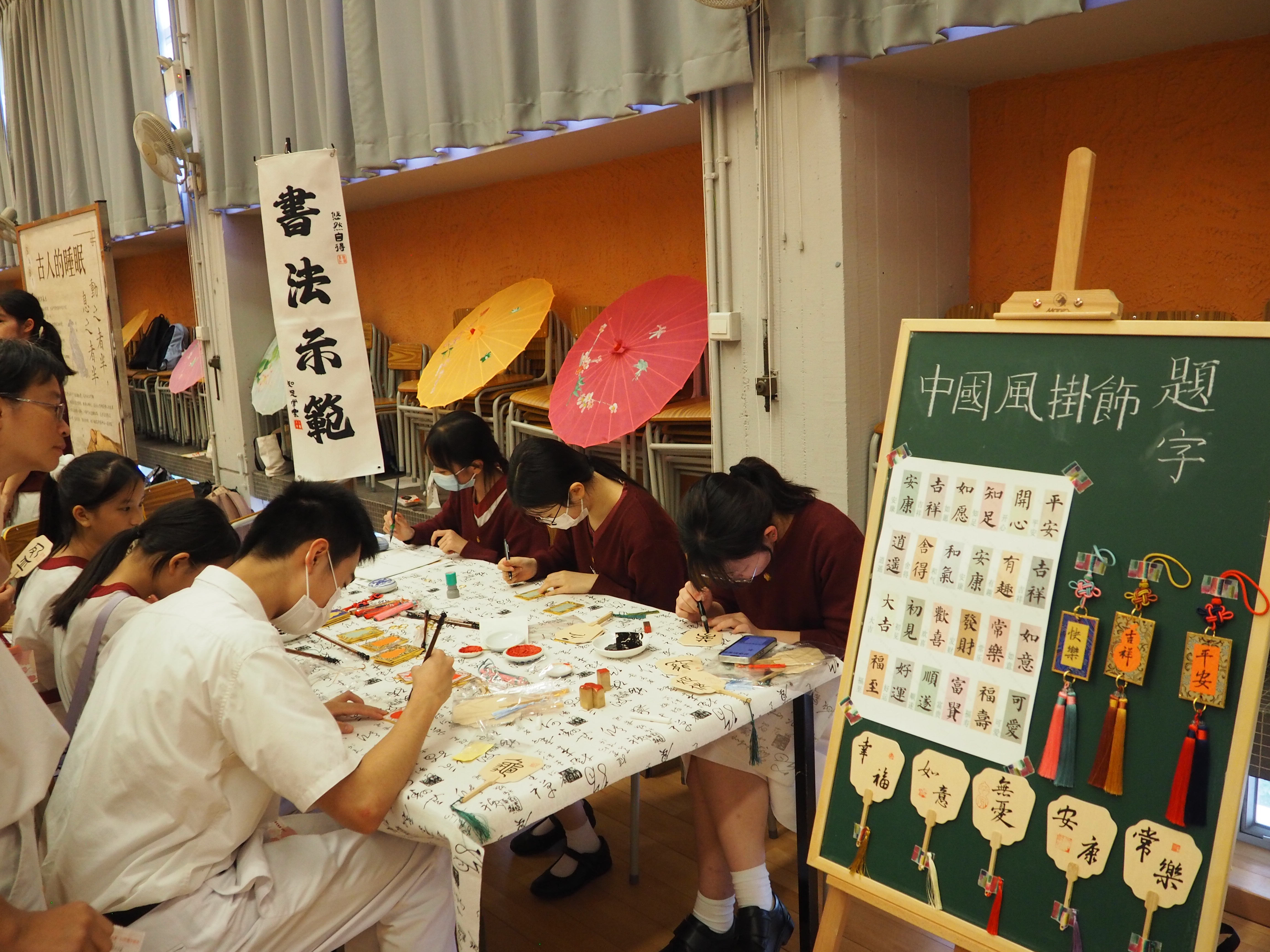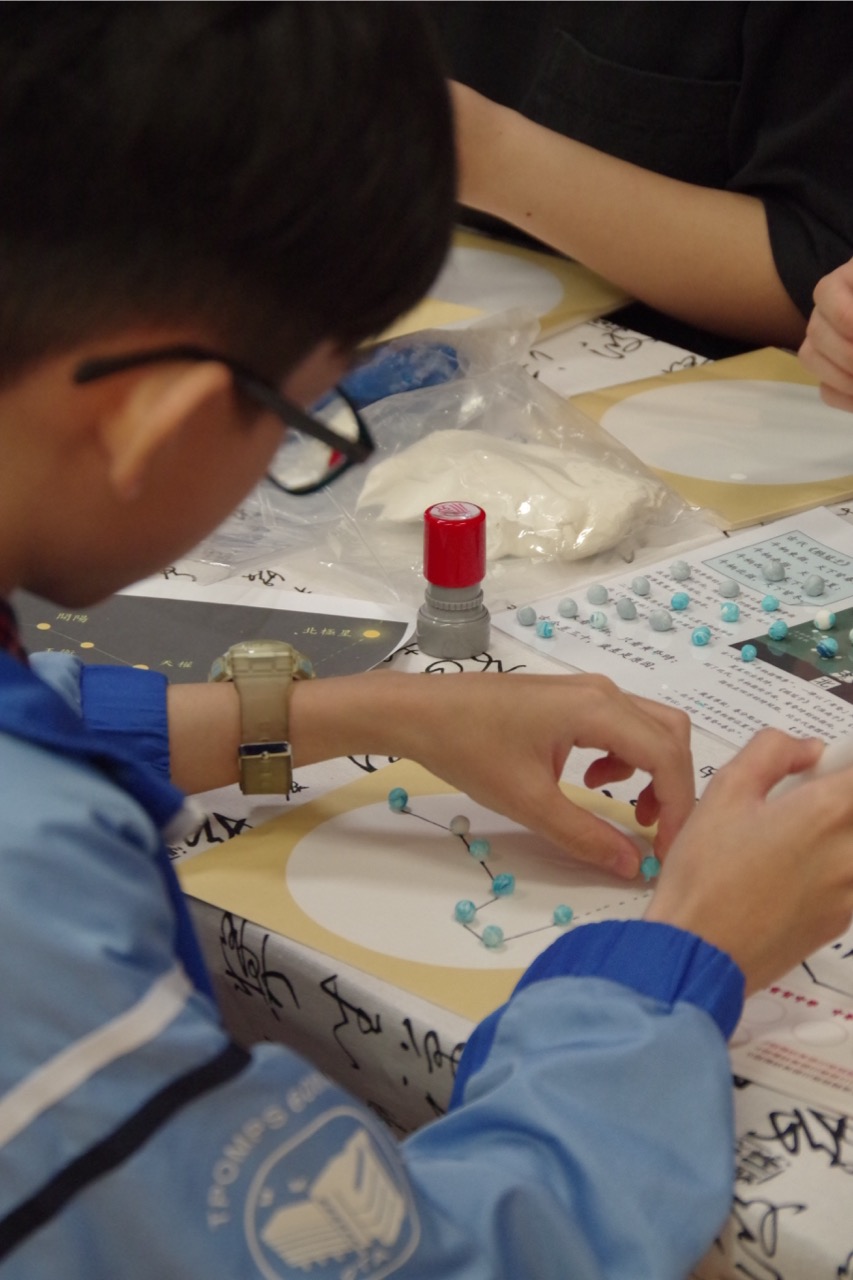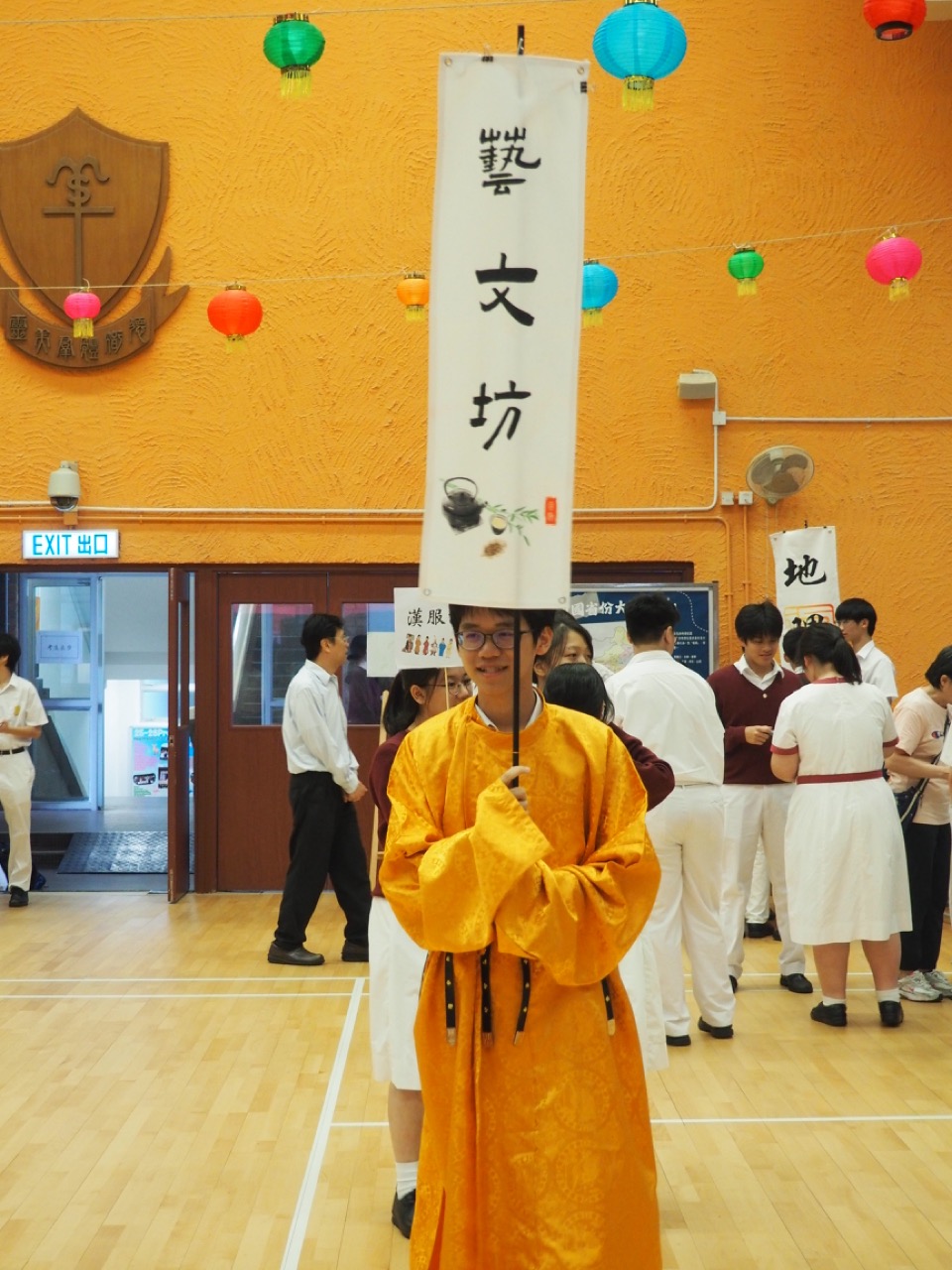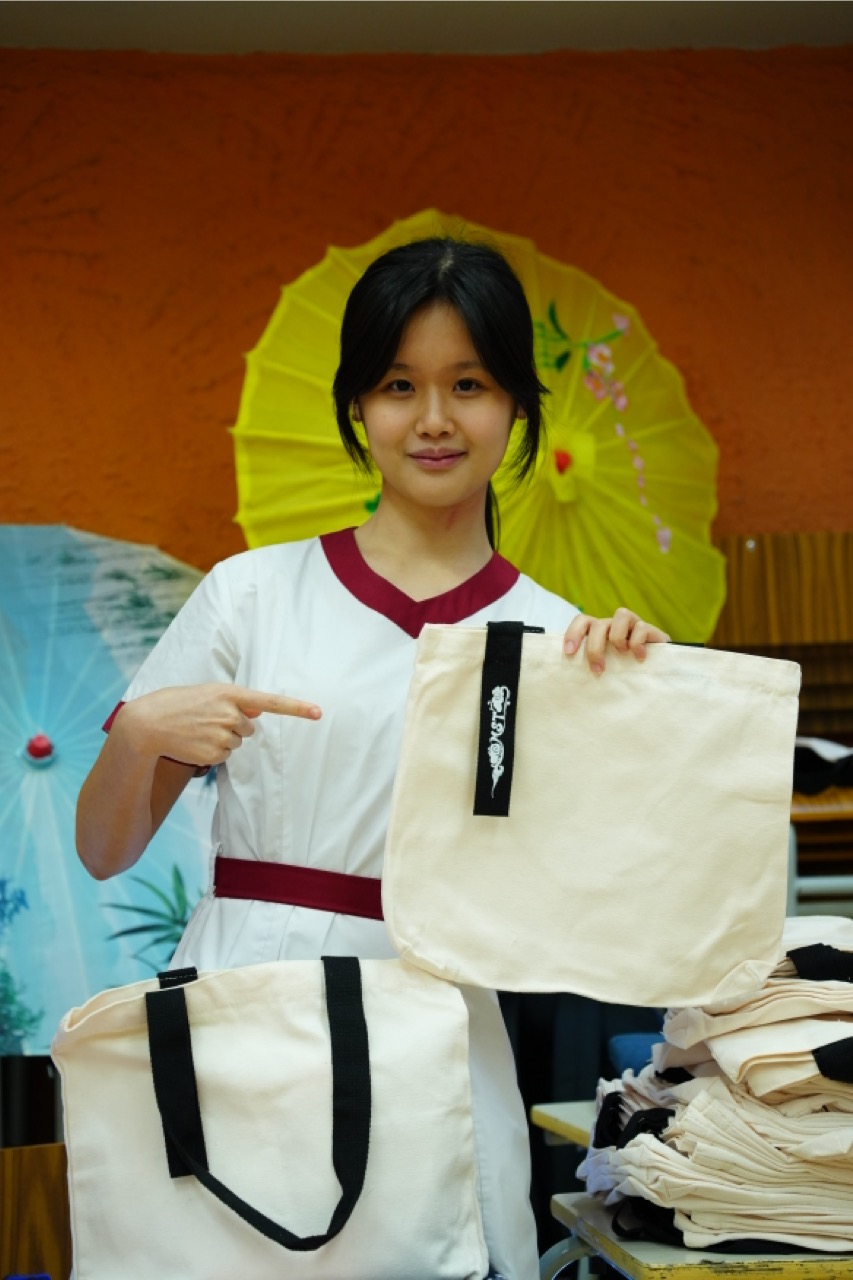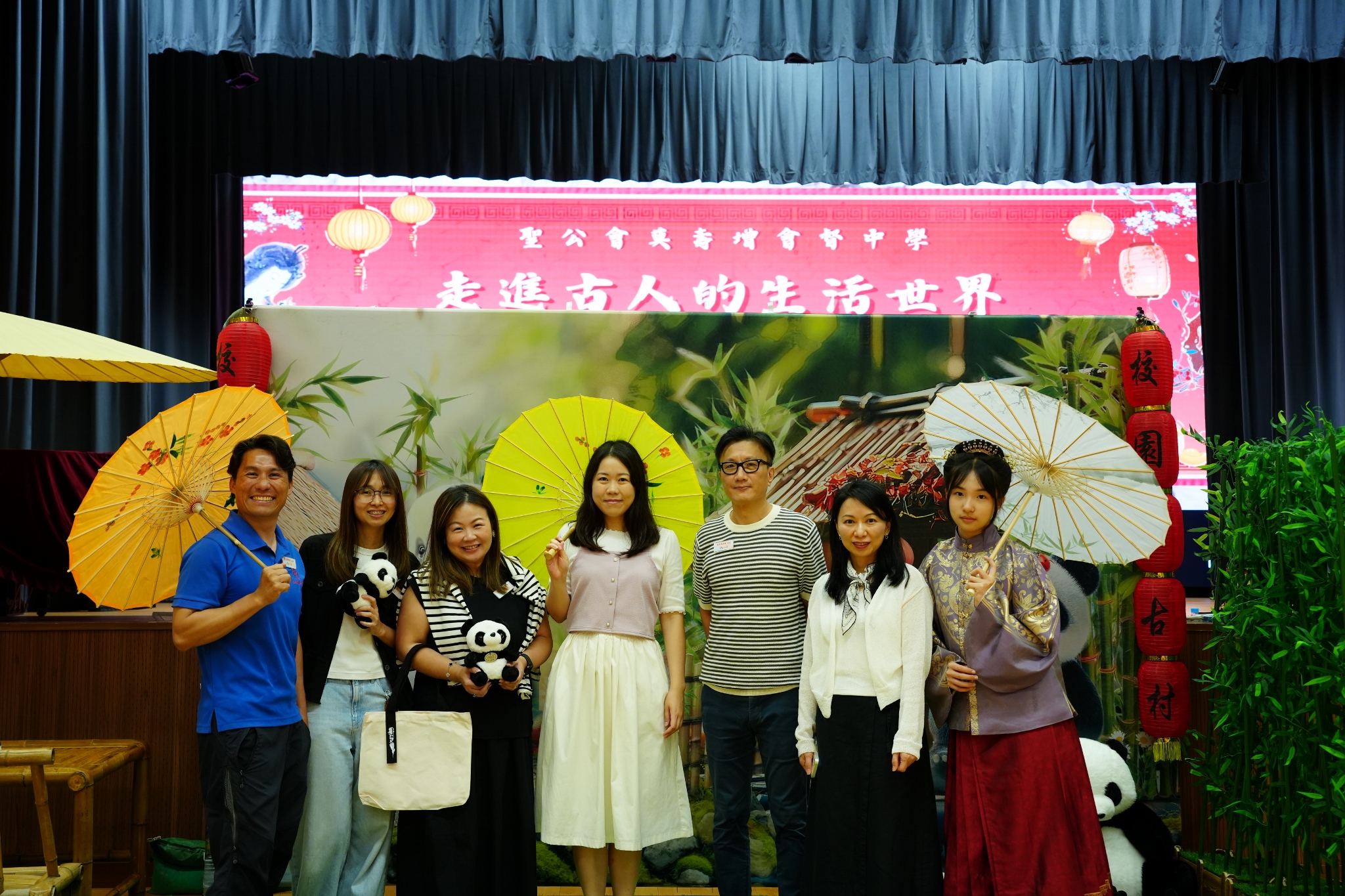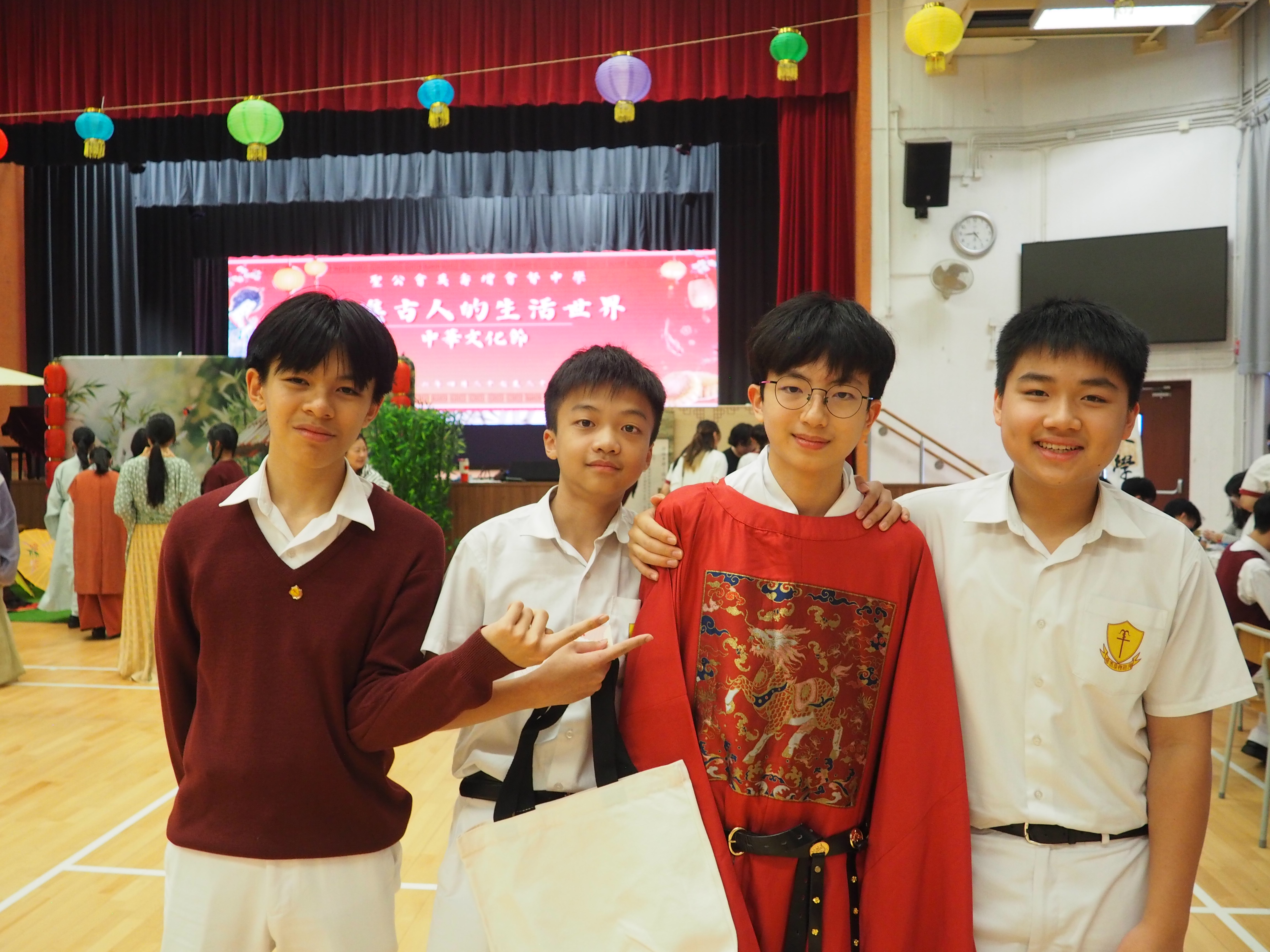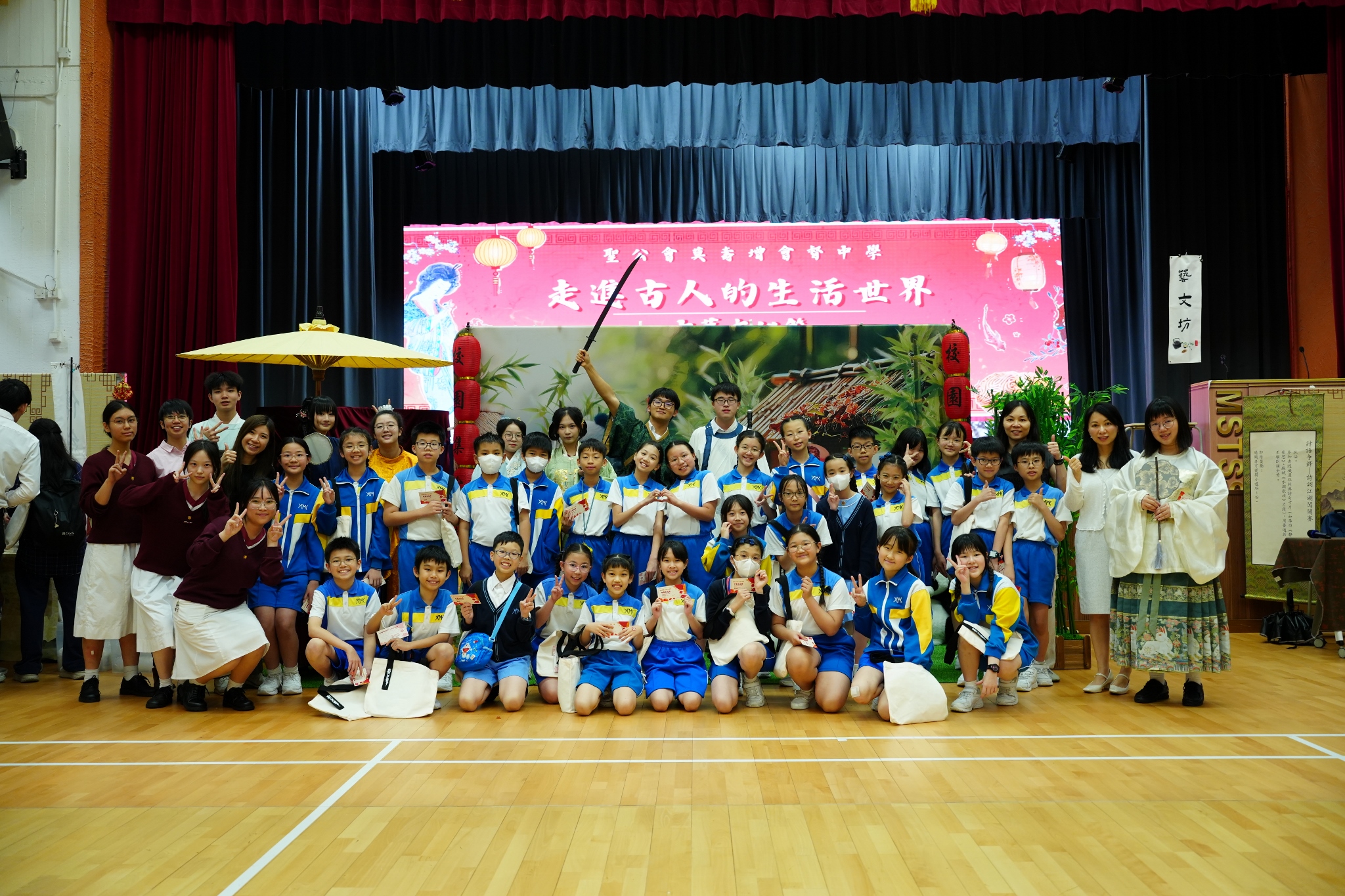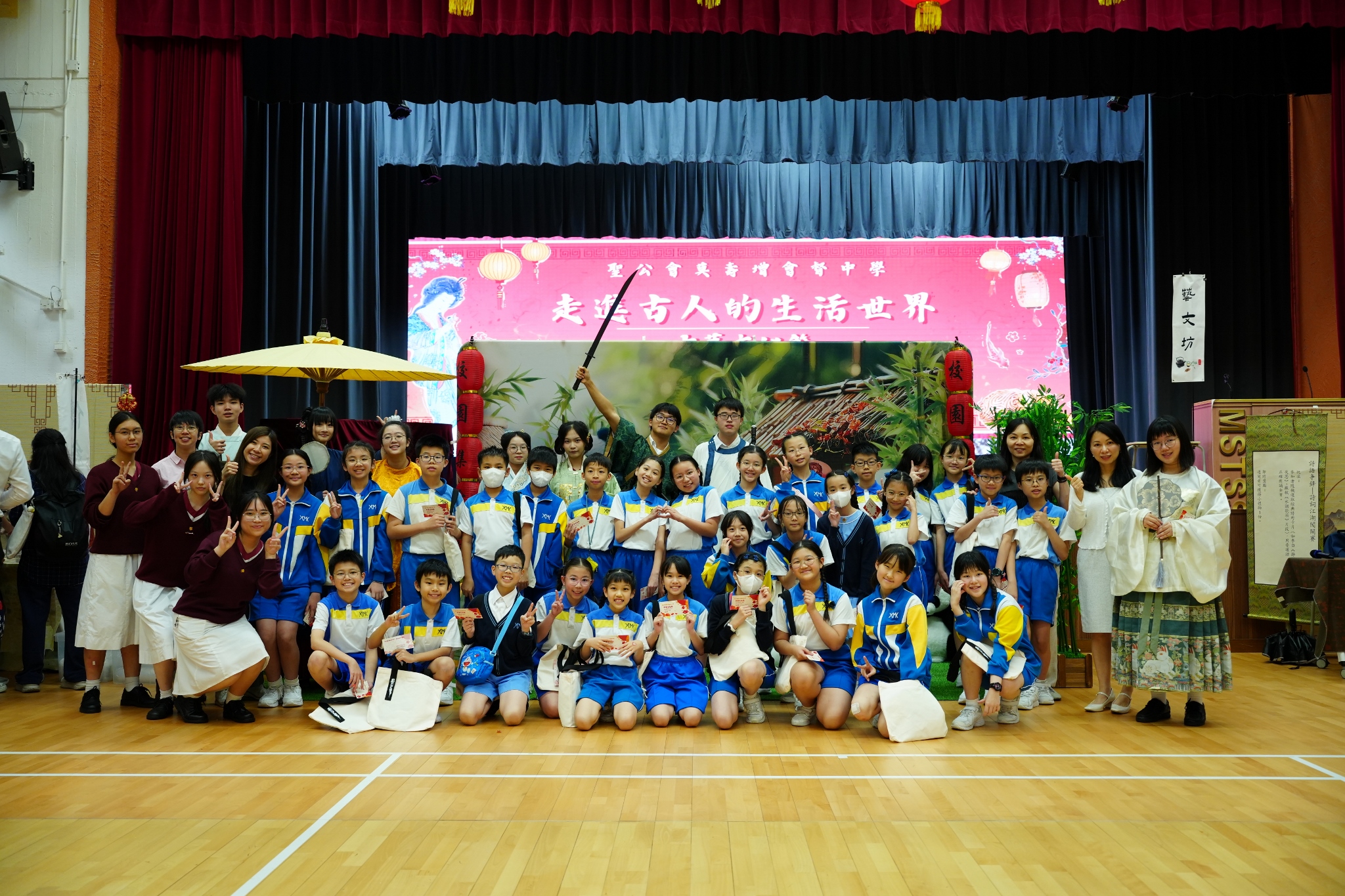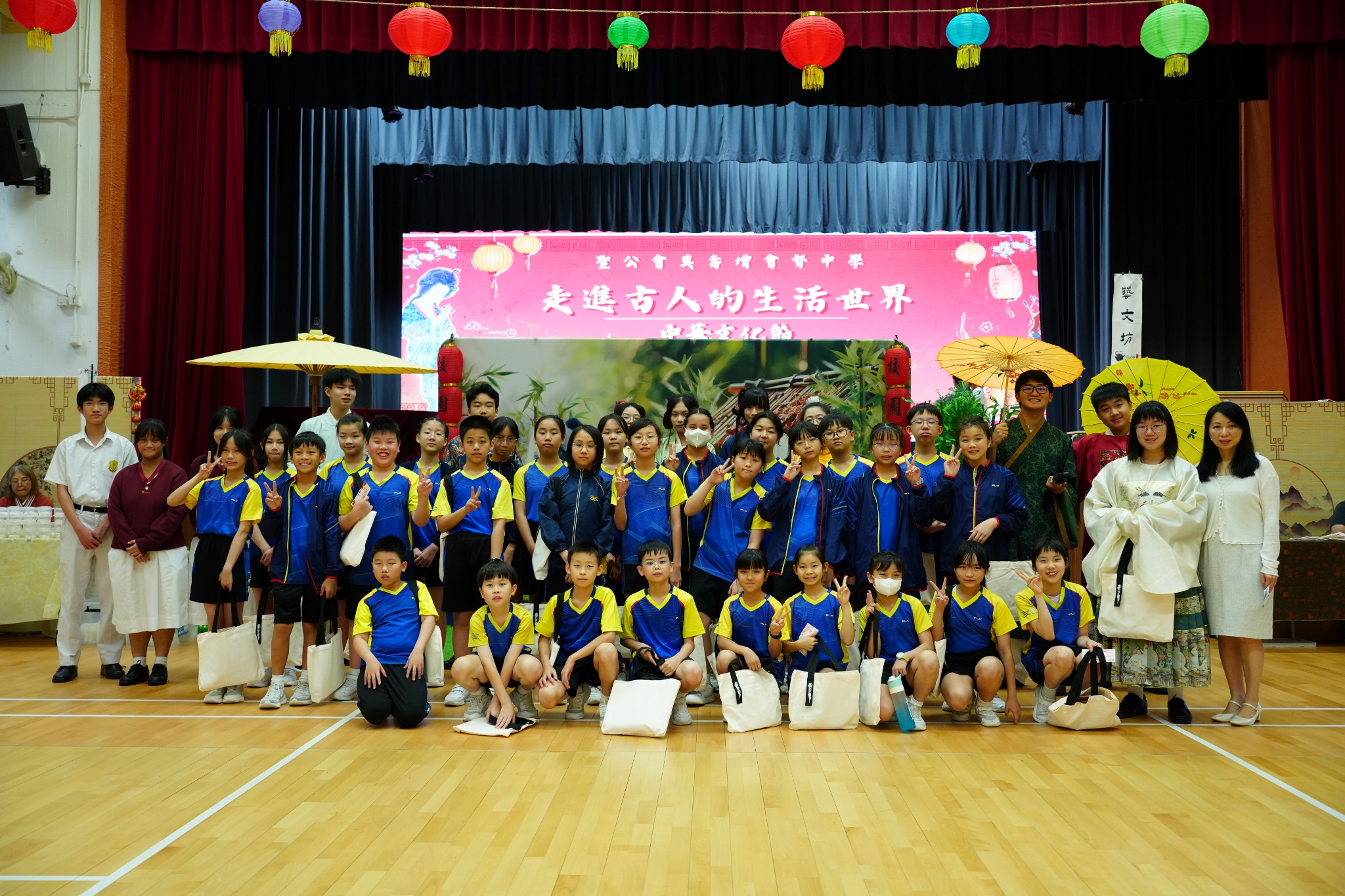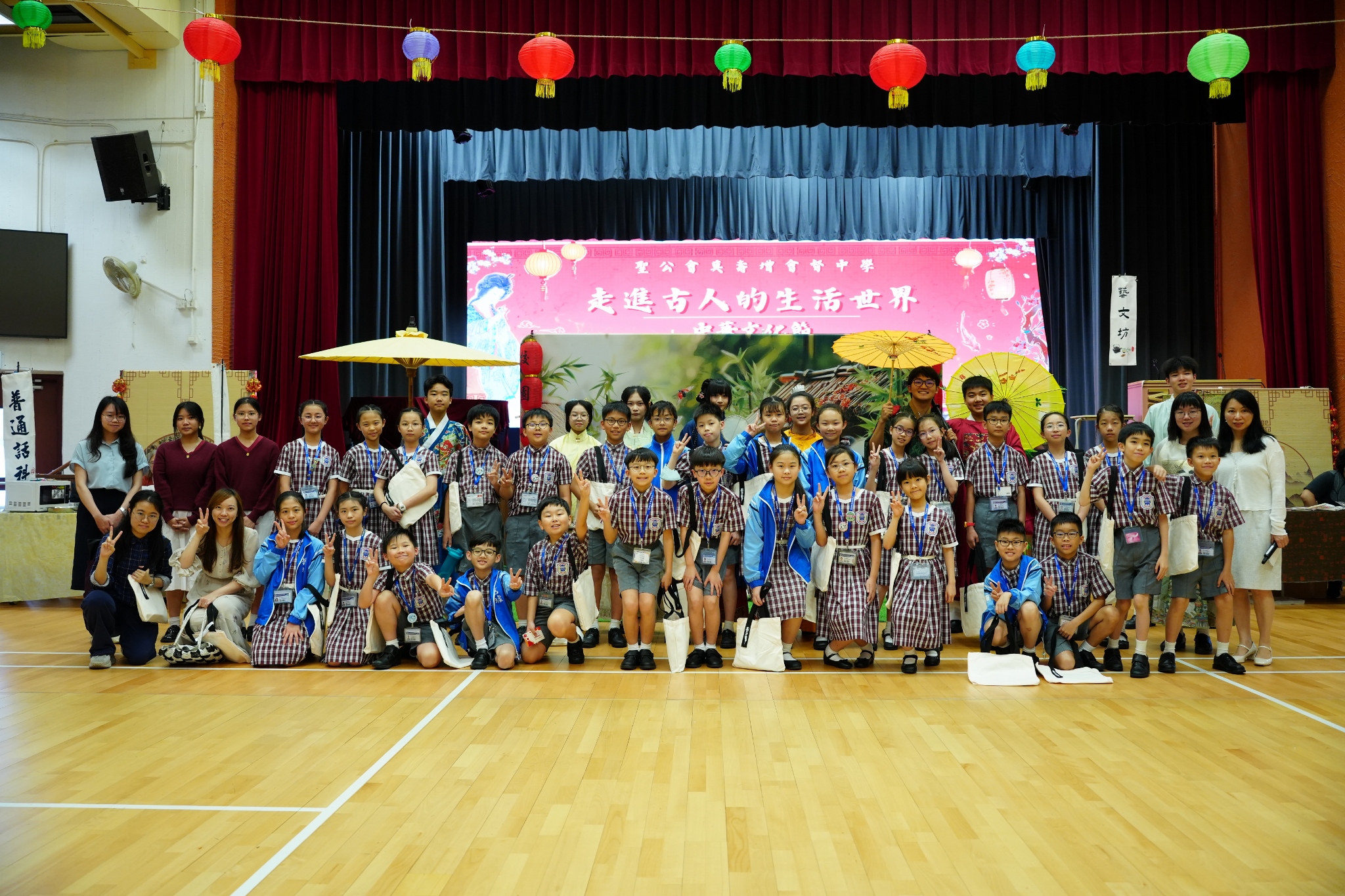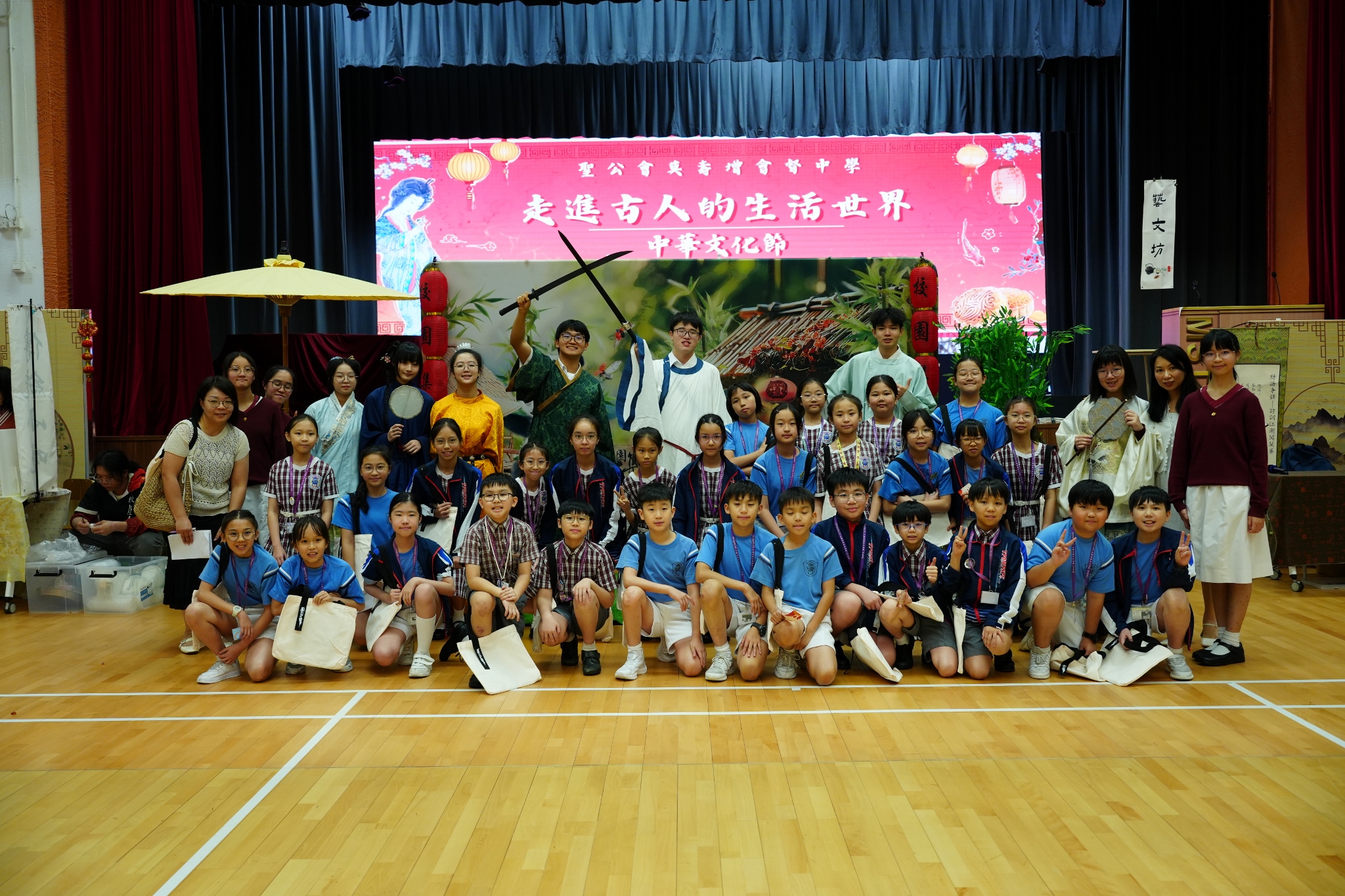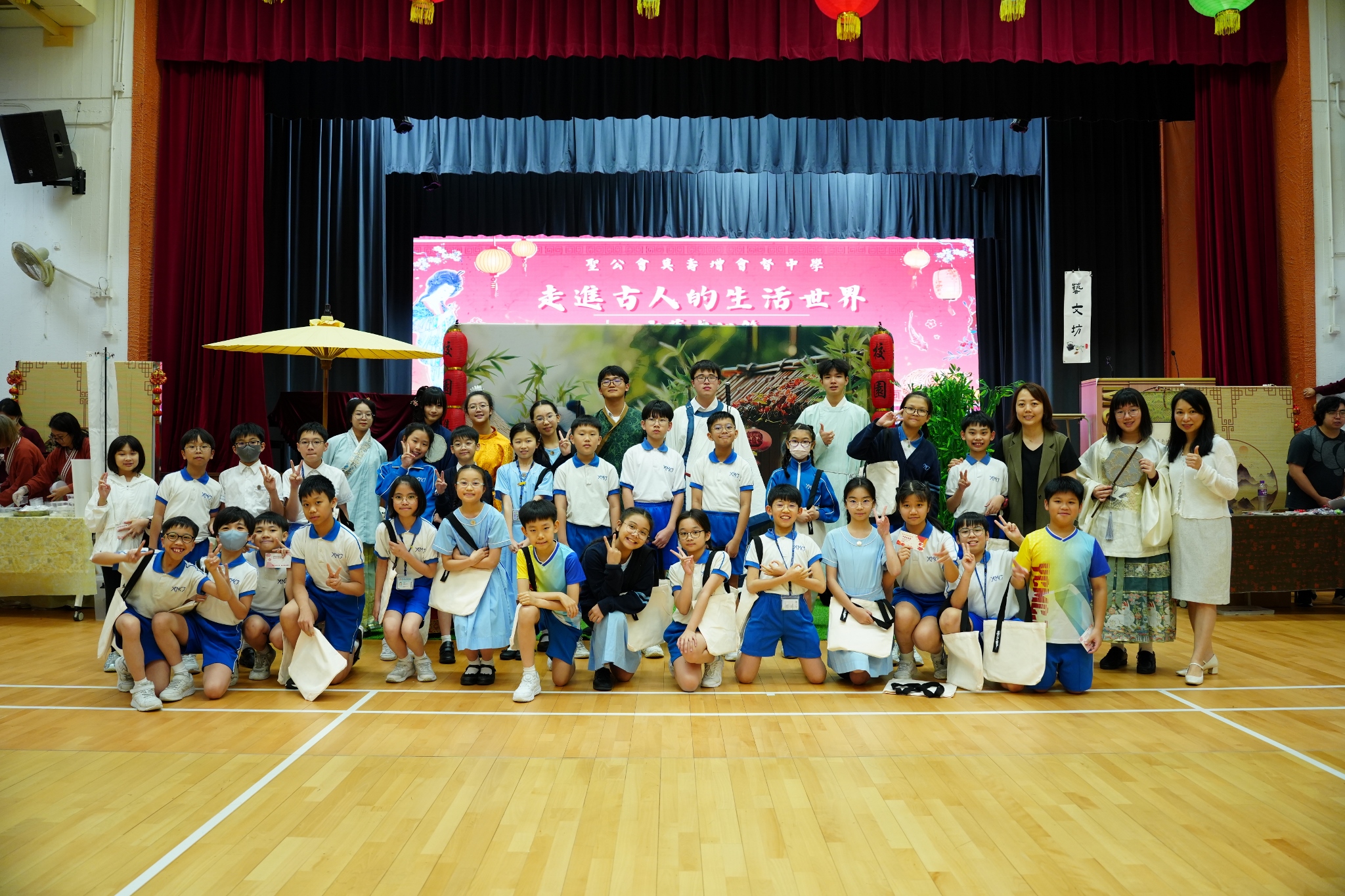
Our school's Chinese Language Department organized the Chinese Culture Day from 27 to 28 Apr 2026. In addition to the booth games designed by S3 students, Physical Education Department, STEAM Society, Chess Club, Astronomy Club, Aesthetics Club, Geography Department, MCNE Committee and PTA were also responsible for arranging booth games related to Chinese culture, as well as activities such as trying on Hanfu (traditional Chinese clothing) and instant photo-taking. The activities incorporate learning through games, allowing students to have a deeper and more comprehensive understanding of Chinese culture. In addition to the teachers and students of our school, our parents and primary school students from 6 friendly schools in the Tai Po district are also invited to participate in the Chinese Culture Festival.
Here are two articles written by our S3 students:
3A Liu Ka Tung
Walking through this door, I didn’t see a huge story about ancient civilisation or the busy streets of the Tang dynasty. Instead, I got a look at the everyday lives of people long ago.
At the Hanfu booth, I put on traditional clothes and walked around the hall. It felt light and free, almost like I was an ancient person wandering through a market with no rush.
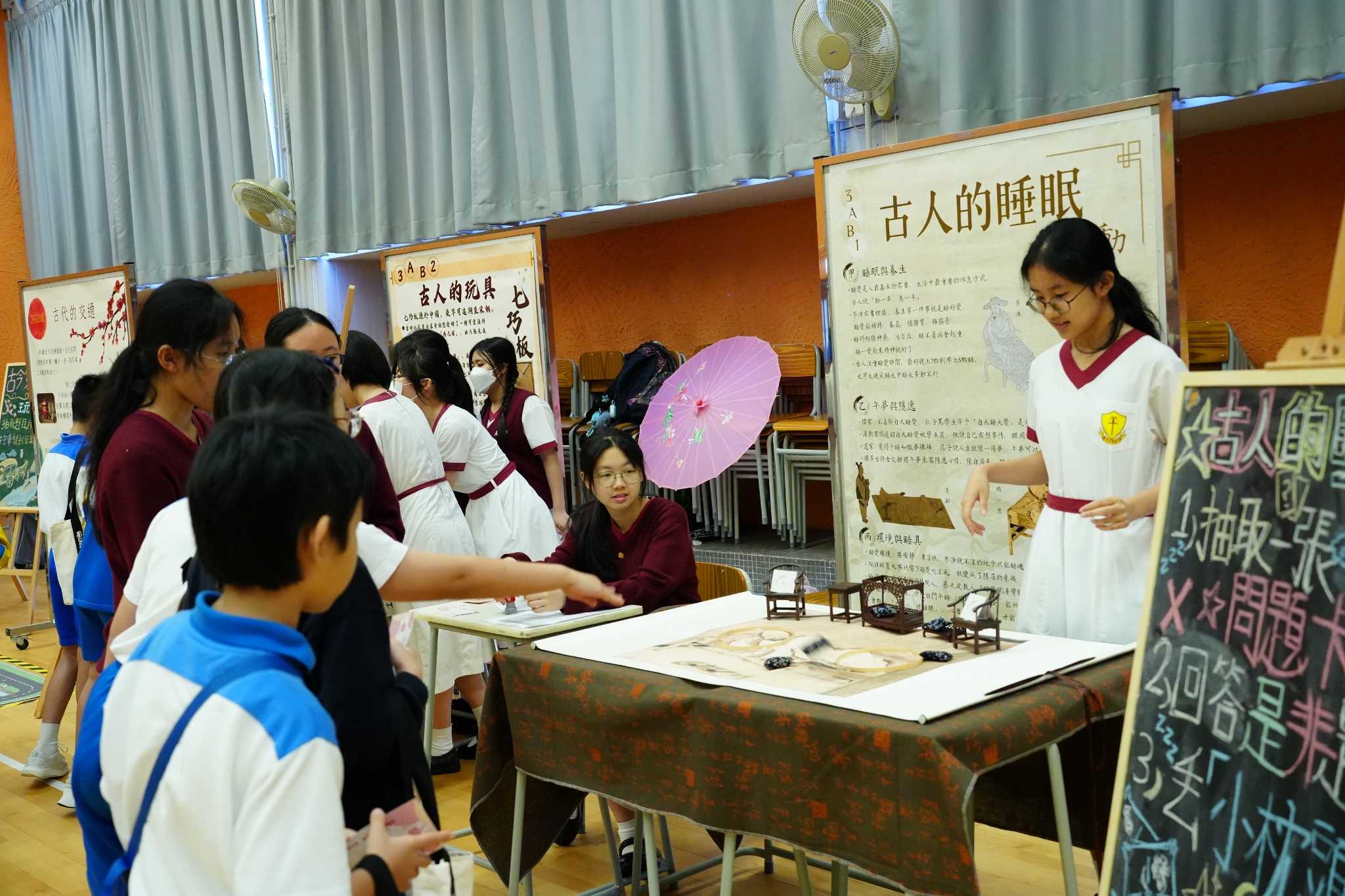
At the “ancient toys” booth, I tried a tangram puzzle. It looked simple, but fitting the seven pieces back into a square was harder than I thought. If one piece tilted the wrong way, the whole thing wouldn’t work. I also played the “grab stones” game, where you toss one stone up and catch another. My hand shook a little, and the stone fell — so I had to start over. It made me realise how creative ancient people were, coming up with fun games without the internet.
At the “ancient sleep” booth, I answered questions from the board and tossed a small cotton pillow into a ring. I was also drawn to a bed made of stools and a woven mat, with a “sleeping ancient person” lying on it. It looked so real, like I was watching someone from the past taking a nap.
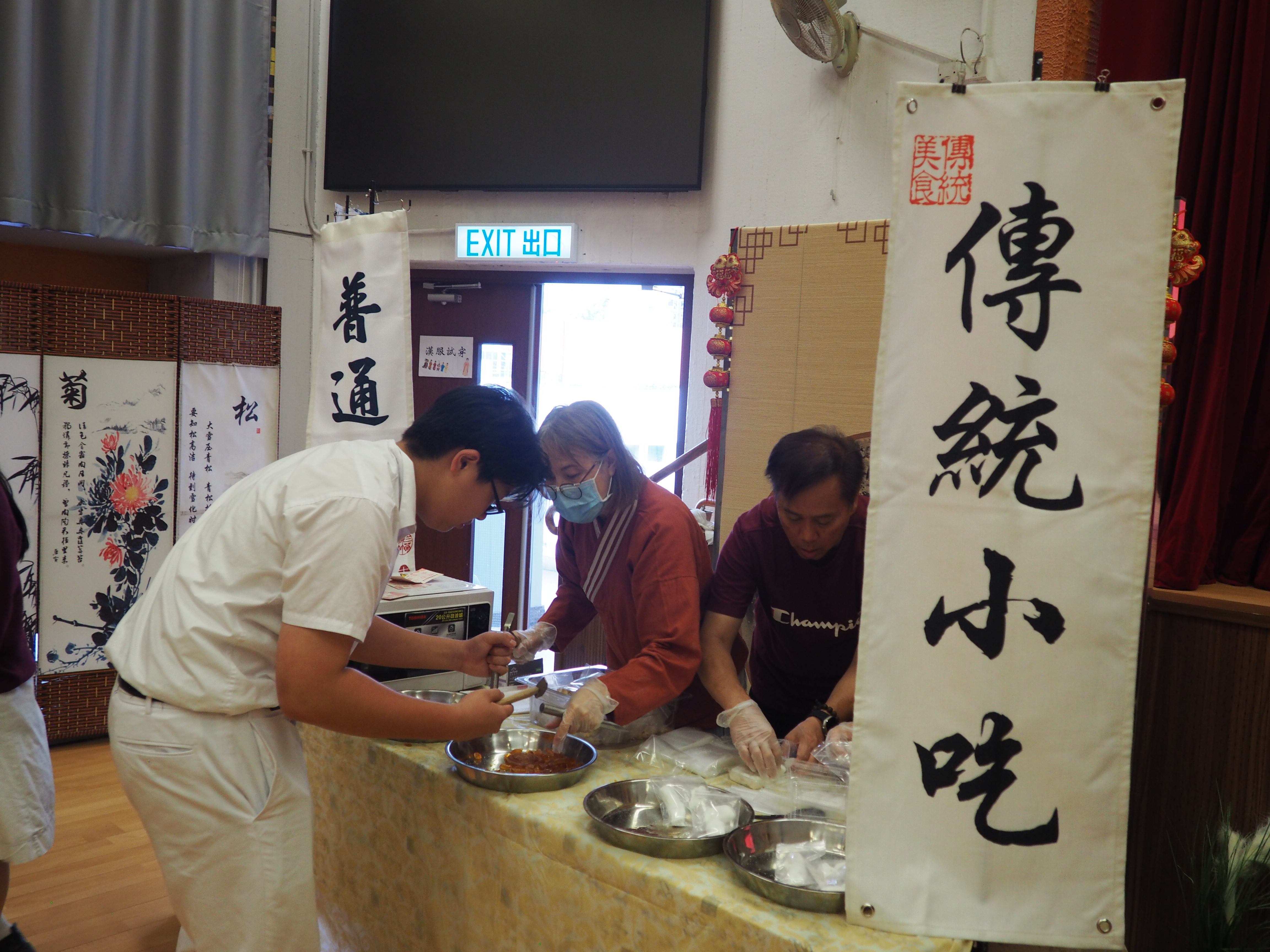
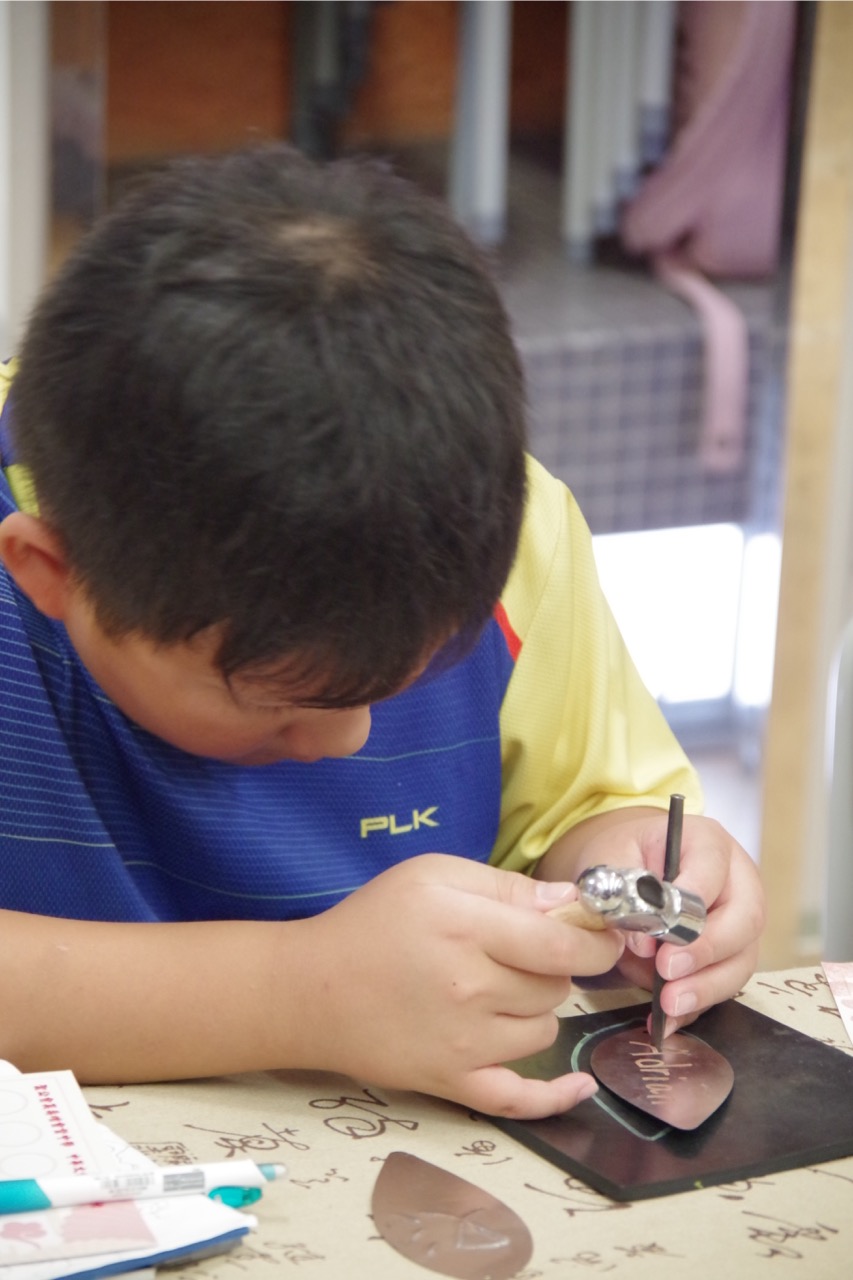
There were many other booths: Wing Chun, tea ceremony, iron art, shadow puppetry, dragon beard candy, ding ding candy — too many to count. In just an hour and a half, I learned so much. For example, I found out that Chinese iron art uses cold iron mixed with acrylic colours. Craftsmen hammer the iron again and again, shaping it like paintbrush strokes, then add colours to make the artwork look vivid and three-dimensional.
Honestly, before this event I didn’t care much about traditional culture. I thought it was something for older people and not really connected to my life. But this festival felt like a “time travel” experience, and it changed how I see Chinese culture.
Even the simple games had meaning. Pitch-pot showed me what “gentlemanly competition” is. Wing Chun taught me how “softness can overcome hardness.” Hanfu gave me a sense of beauty that comes from “clothing embodying the Way.”
Cultural identity isn’t just a slogan. It’s built from small details like these. When you start to admire the wisdom of the ancients, understand how they lived, and feel proud of being Chinese — that’s when identity truly grows.
3B Wang Cho Kei
Taking part in the Chinese Cultural Festival, I was surrounded by elegant antique decorations in the hall and immersed in a strong ancient atmosphere. My mood became calm and relaxed. There were lively game stalls and a crowded ancient costume area. Dressed in flowing traditional robes, I had a wonderful feeling of travelling back to ancient times. The tangram stall was great fun, and I truly admired the wisdom of the ancients.
What impressed me most were dragon beard candy and ding ding candy. They tasted sweet and chewy with rich traditional flavour. The ancient sports area was filled with laughter, and I enjoyed myself greatly. Through this activity, I felt the warmth and charm of Chinese culture personally. I broadened my horizons, fell deeply in love with traditional Chinese culture, and made up my mind to cherish and inherit this precious cultural heritage.