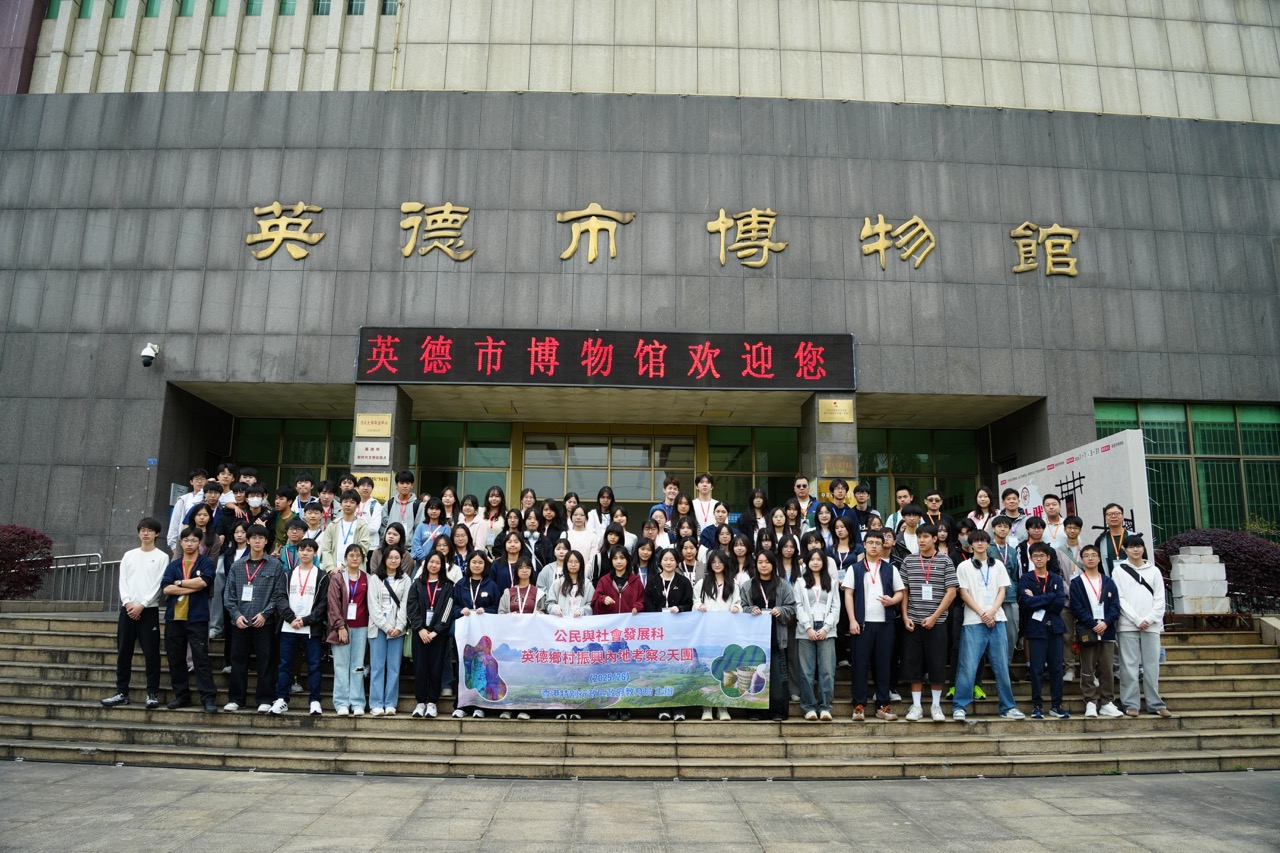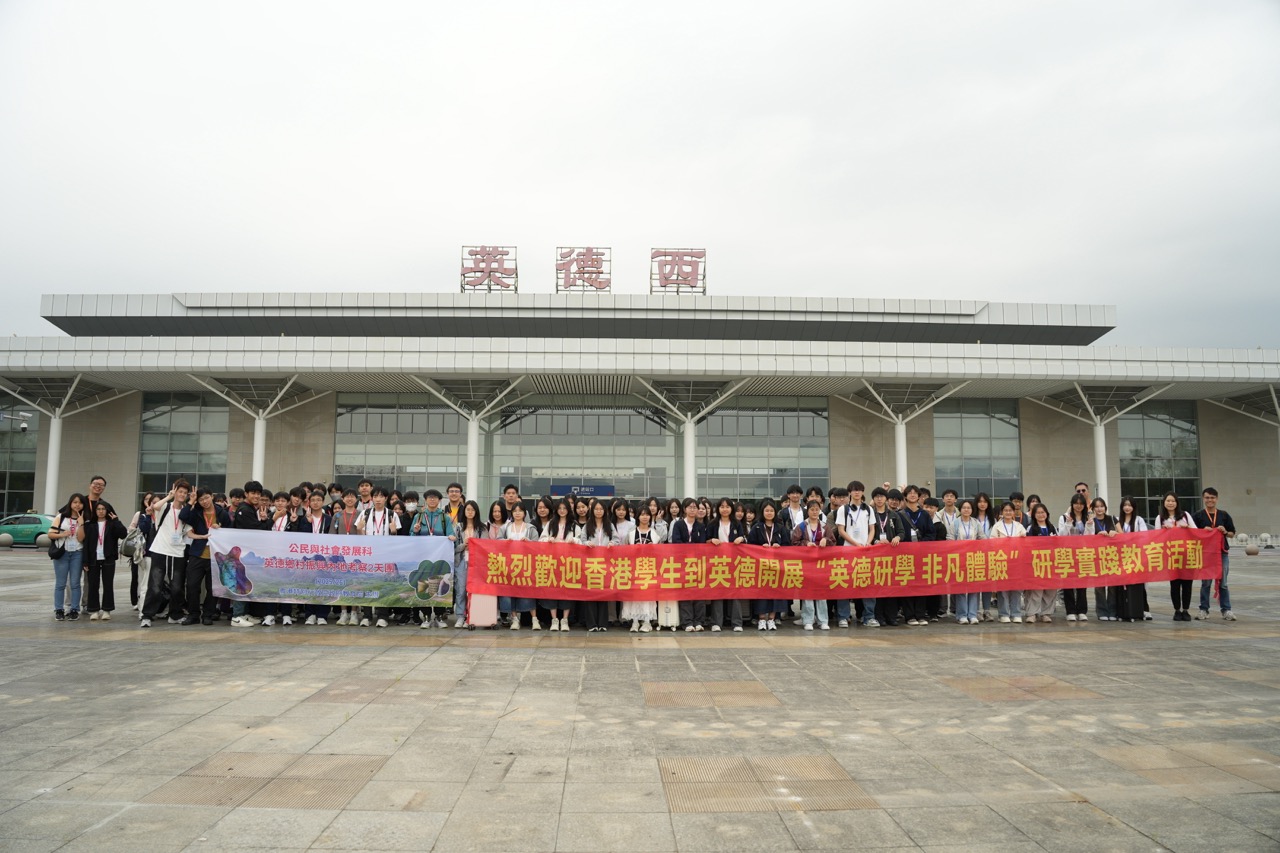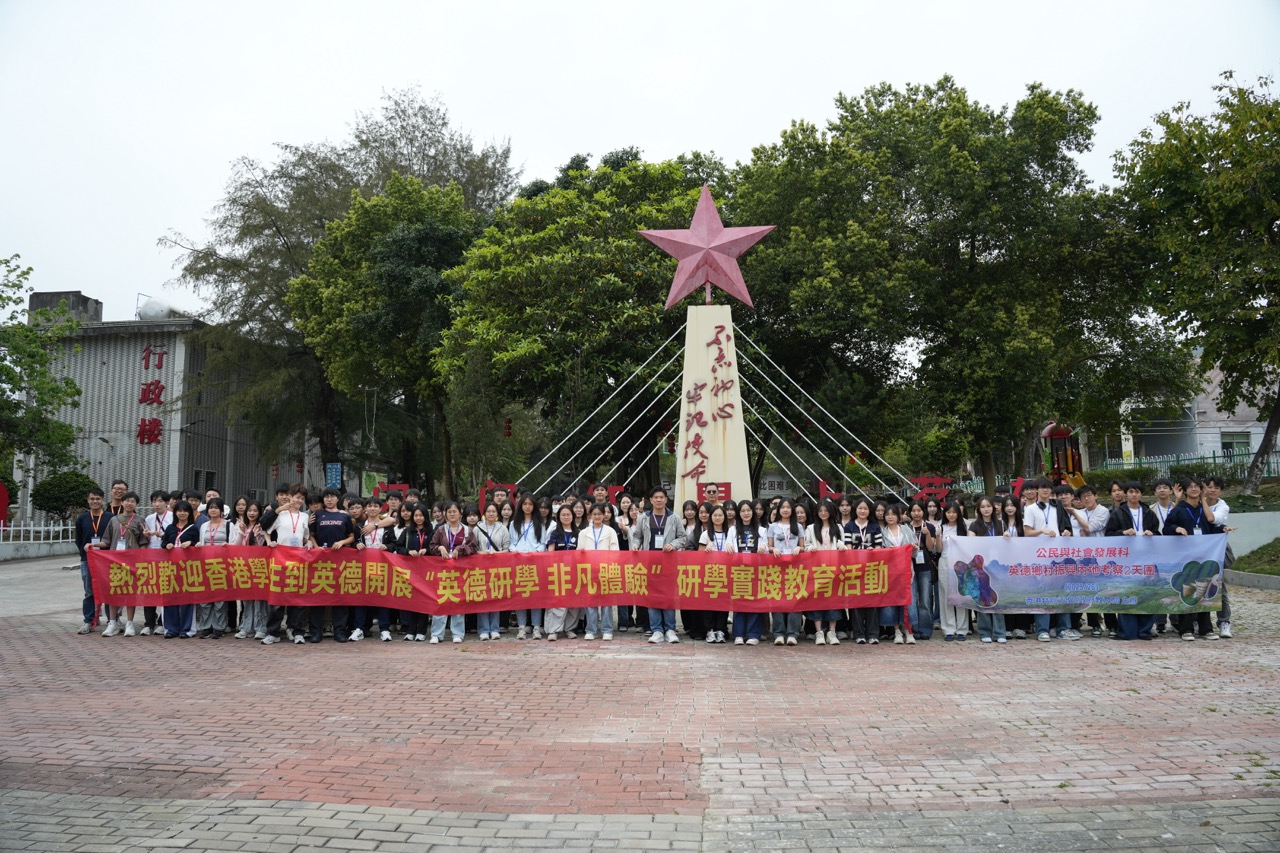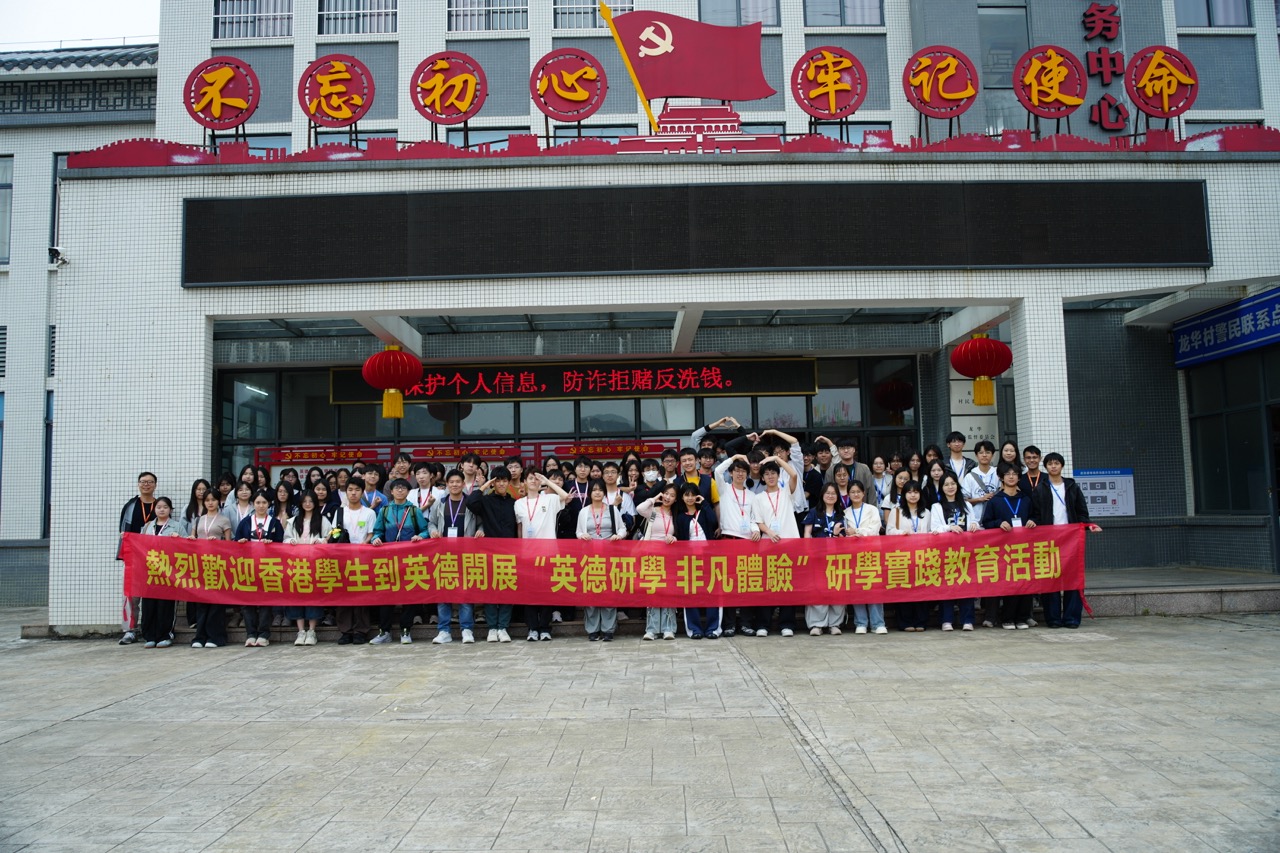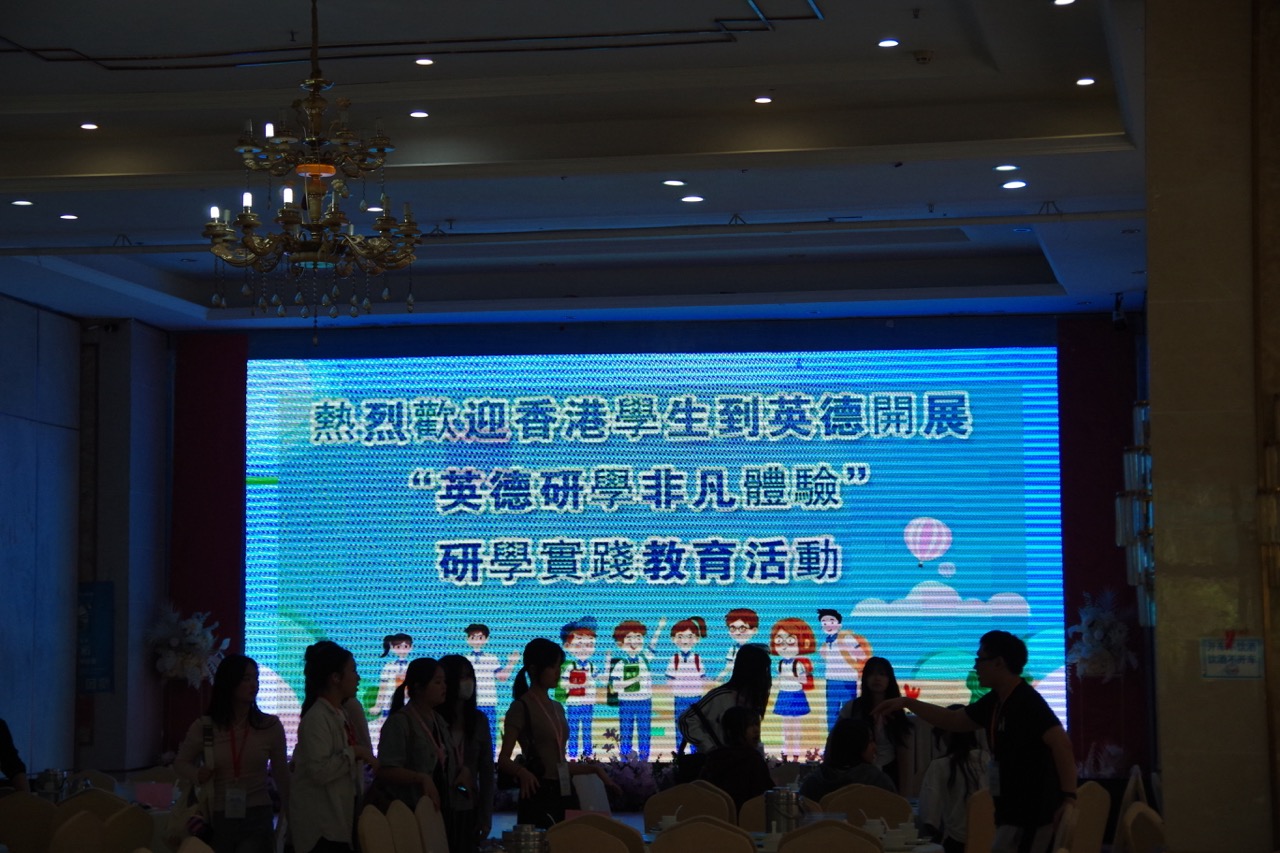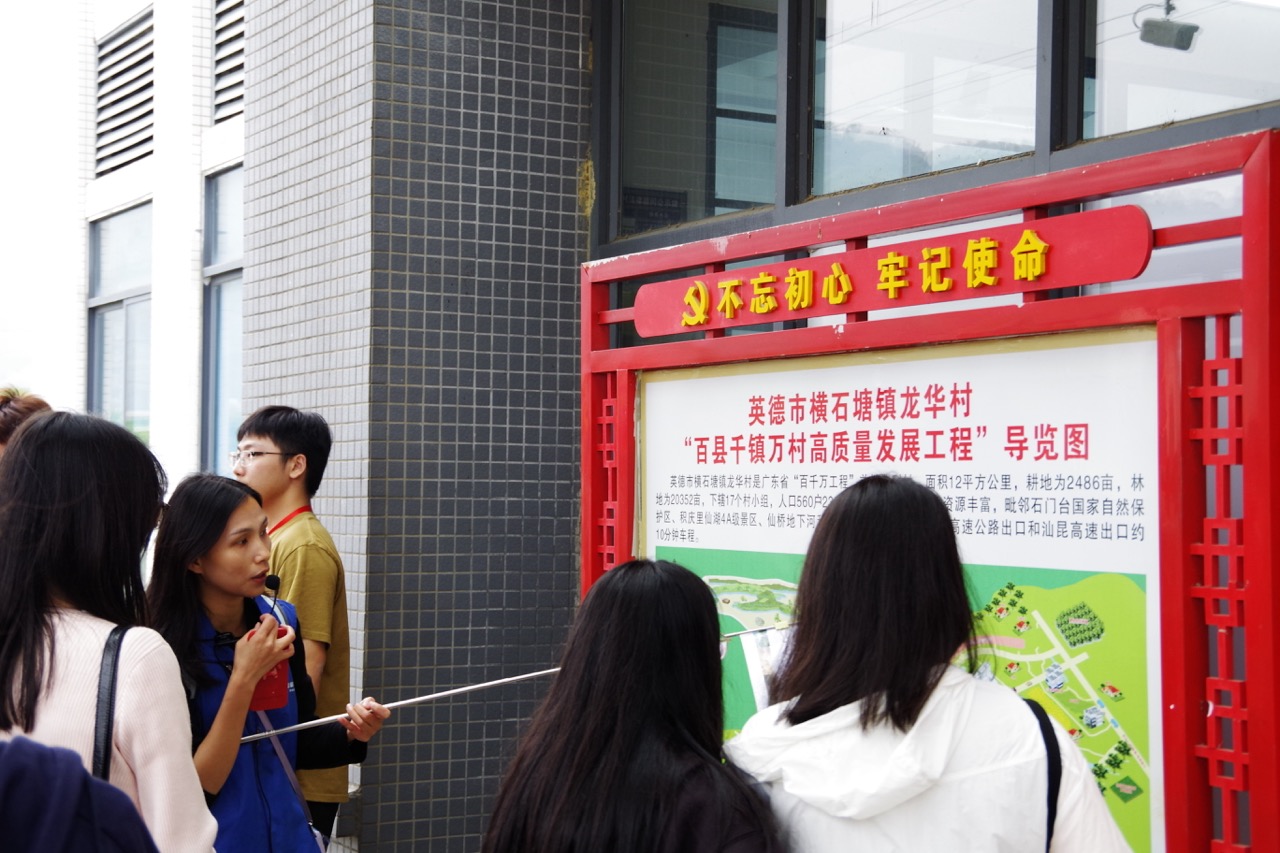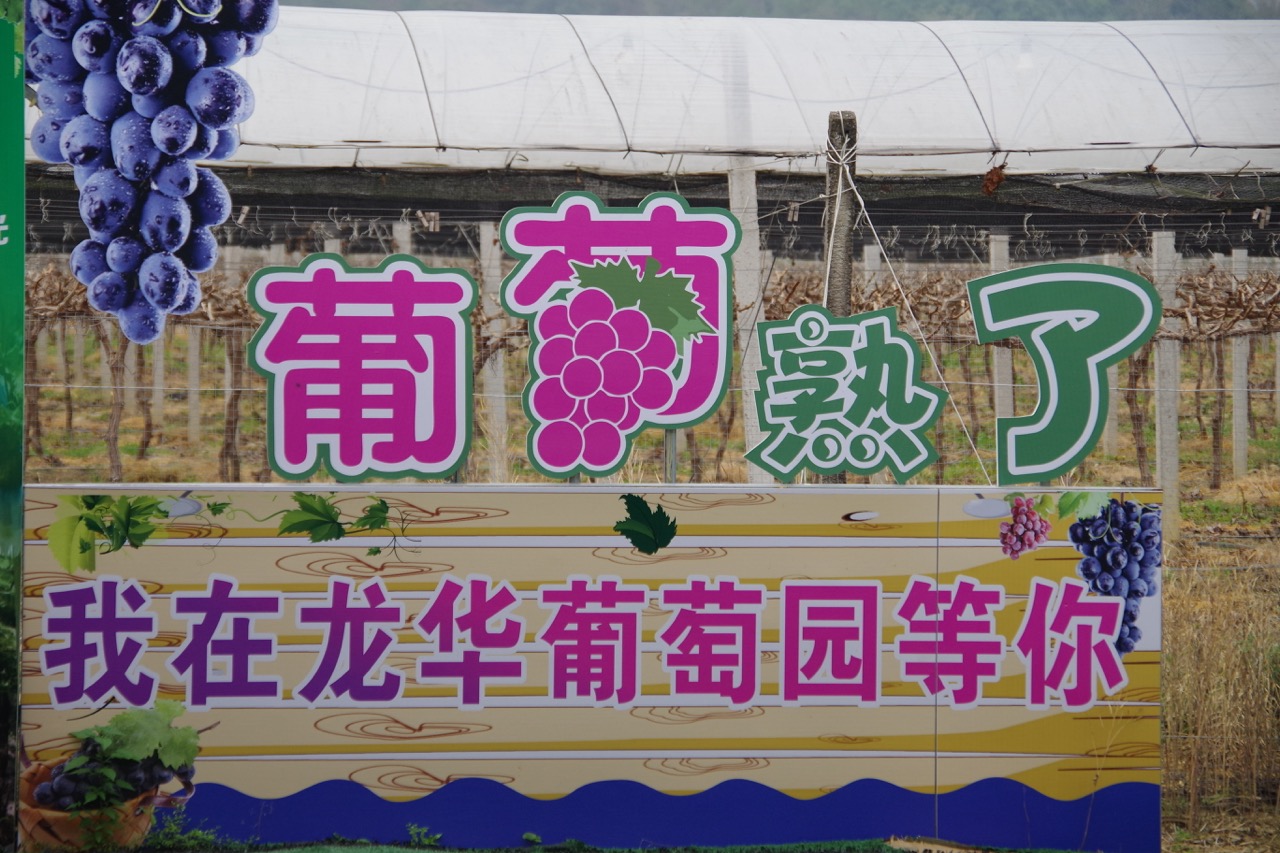
During the two-day study trip to Yingde, I learned a lot about sustainable development, the idea of “Total National Security” under “One Country, Two Systems,” and the importance of protecting the environment. The trip gave me a nice mix of nature, culture, and national education. It was not only fun but also made me think more deeply about my role in caring for our country and our planet.
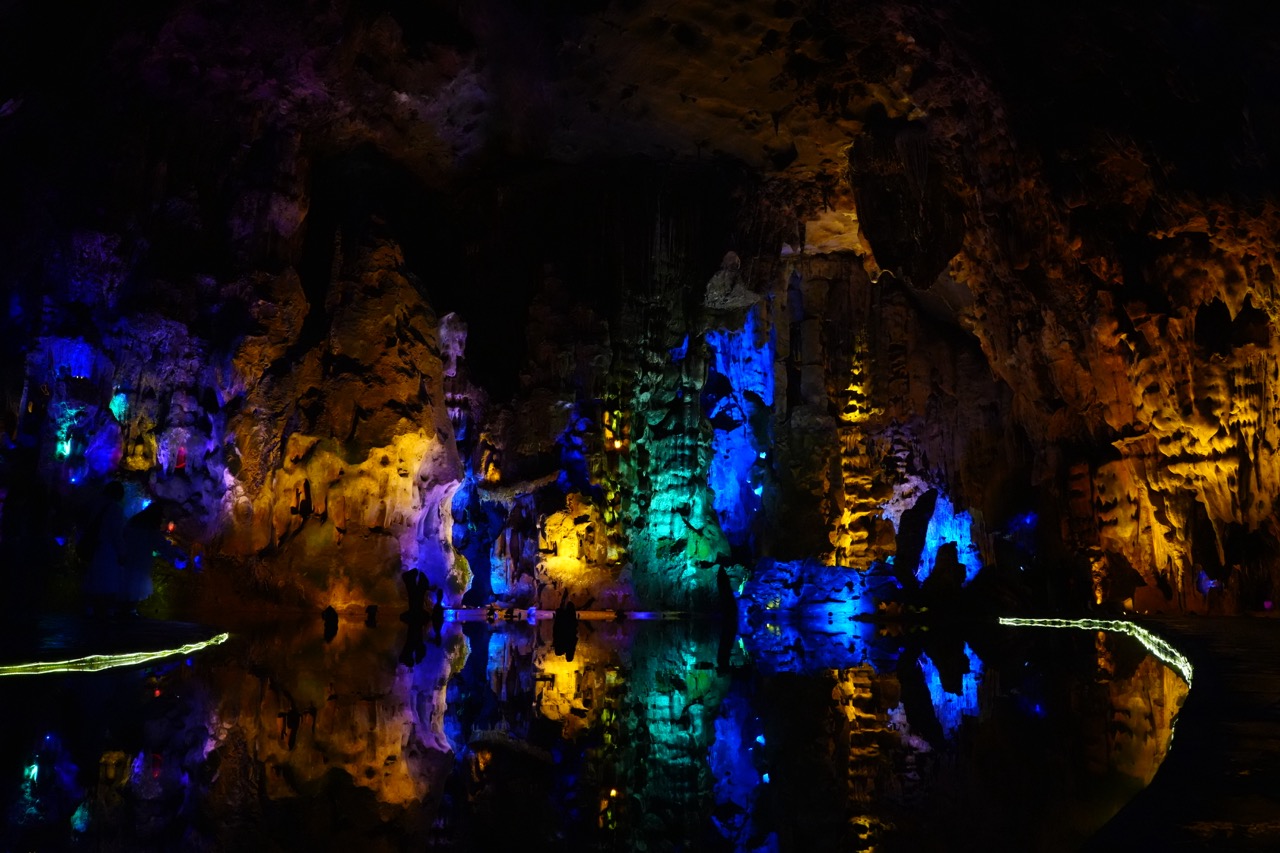
The most unforgettable part of the trip was visiting Baojing Palace. When I walked into the cave, I was amazed by how big and beautiful it was. Huge stalactites hung from the ceiling like crystal lights, and stalagmites rose from the ground in many strange shapes. Some rocks even looked like waterfalls, animals, or creatures from stories. The colourful lights inside made the cave look magical, as if I had stepped into another world. I learned that Baojing Palace isn’t just a tourist attraction — it’s also an important place for studying karst landforms and protecting natural heritage. The guide explained that karst landscapes form over millions of years when acid rain slowly wears away limestone. I was surprised by how long that process takes. Standing inside the cave, I felt very small compared to nature’s long history, but I also realised that we have a big responsibility to protect such amazing places. The quiet dripping of water, the cool air, and the huge space made me feel peaceful and inspired. This experience helped me understand why it’s so important to protect our natural resources — not only for ourselves but also for future generations. I also saw how a healthy environment is related to national security and sustainable development. Without a clean and safe environment, we can’t have a strong and stable country.
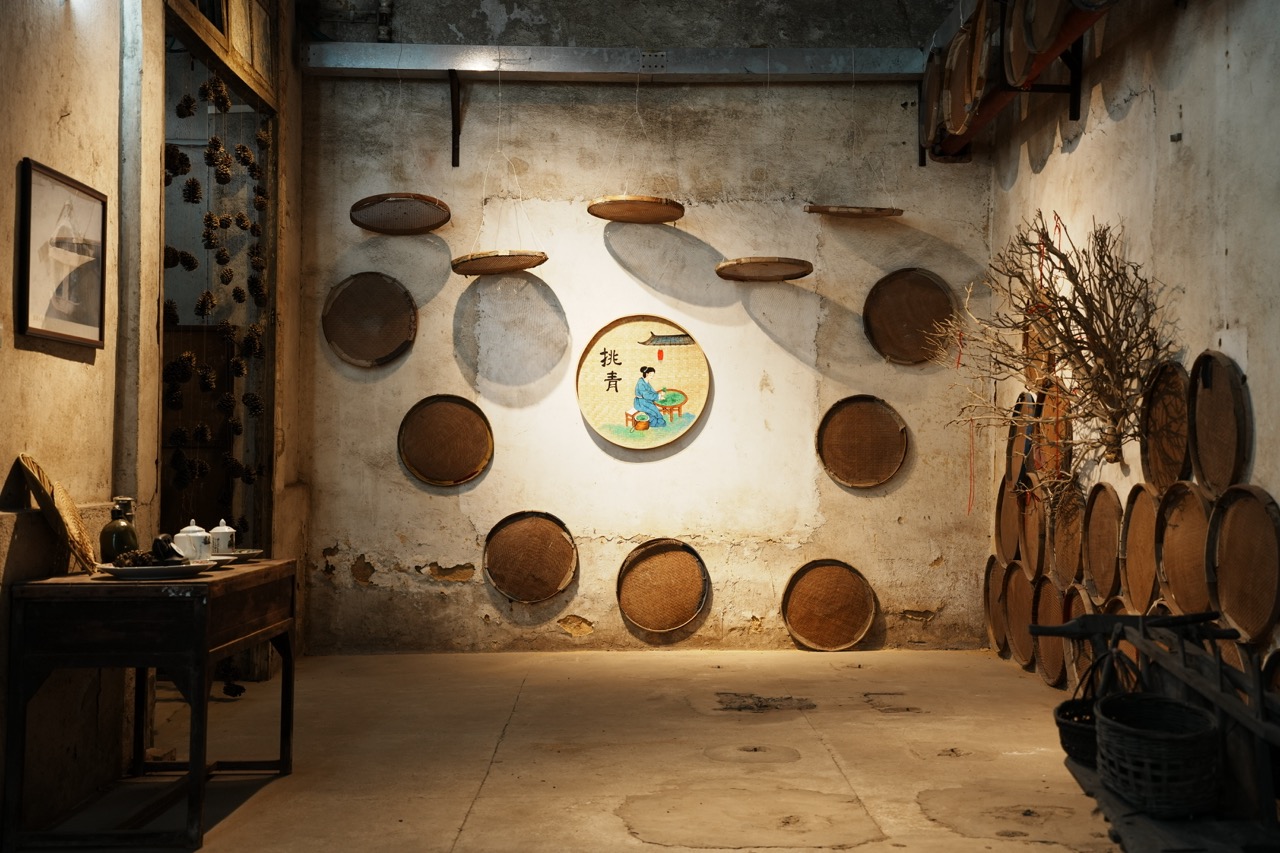
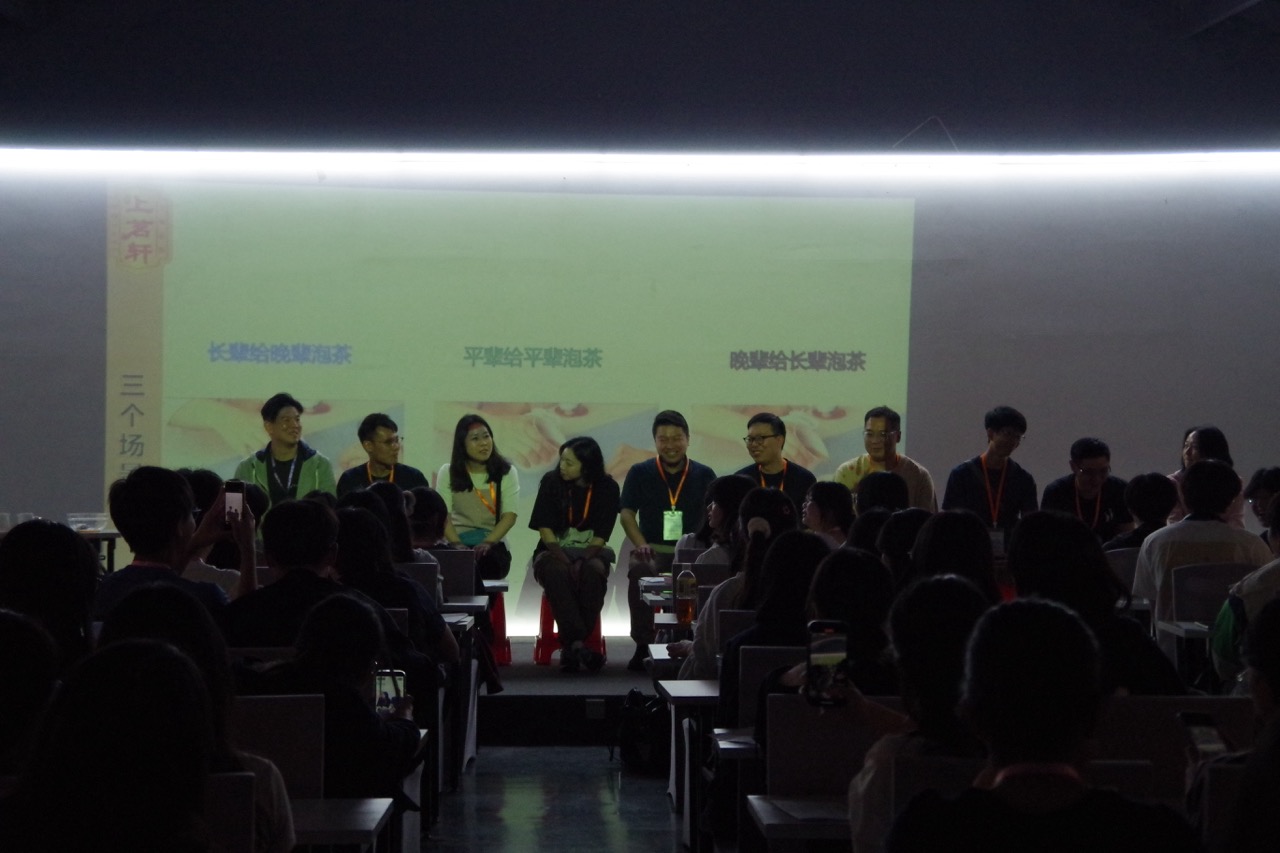
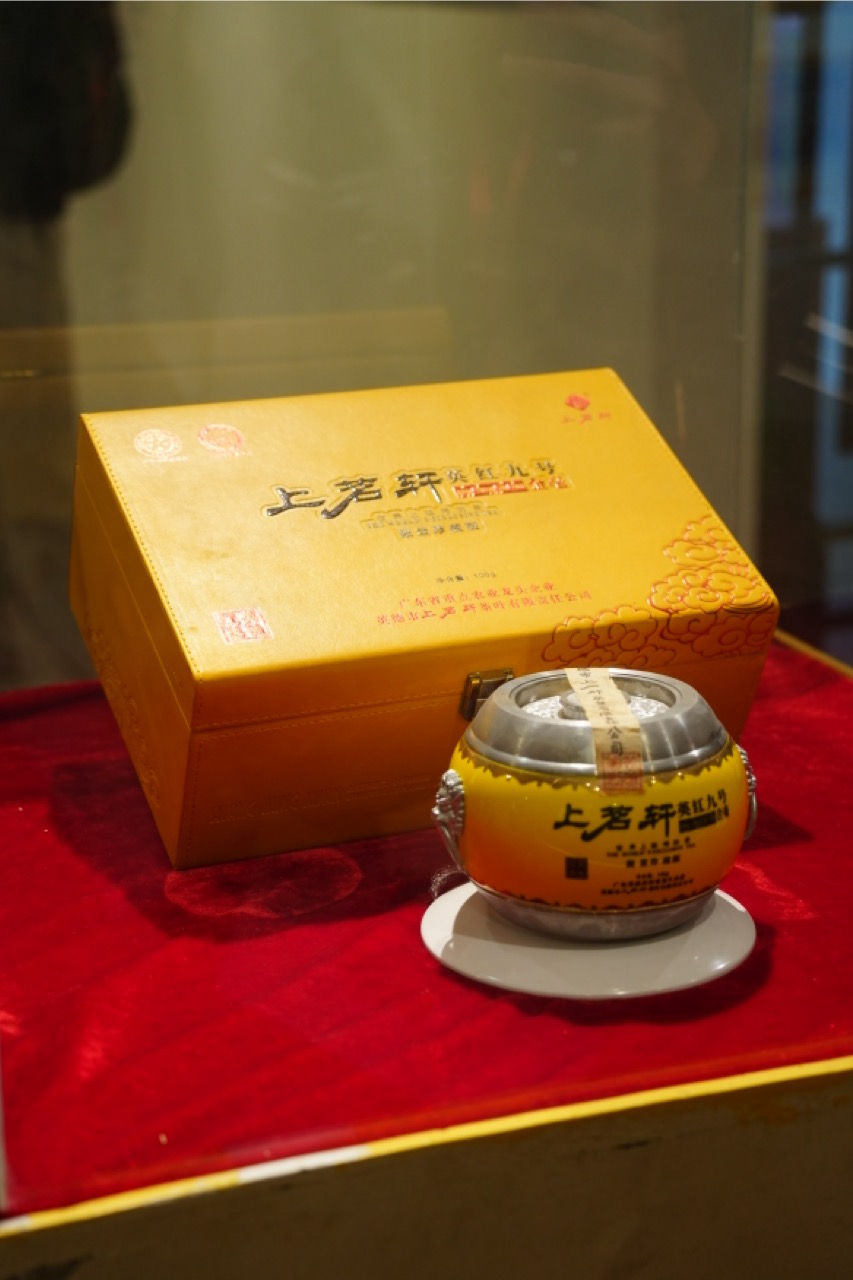
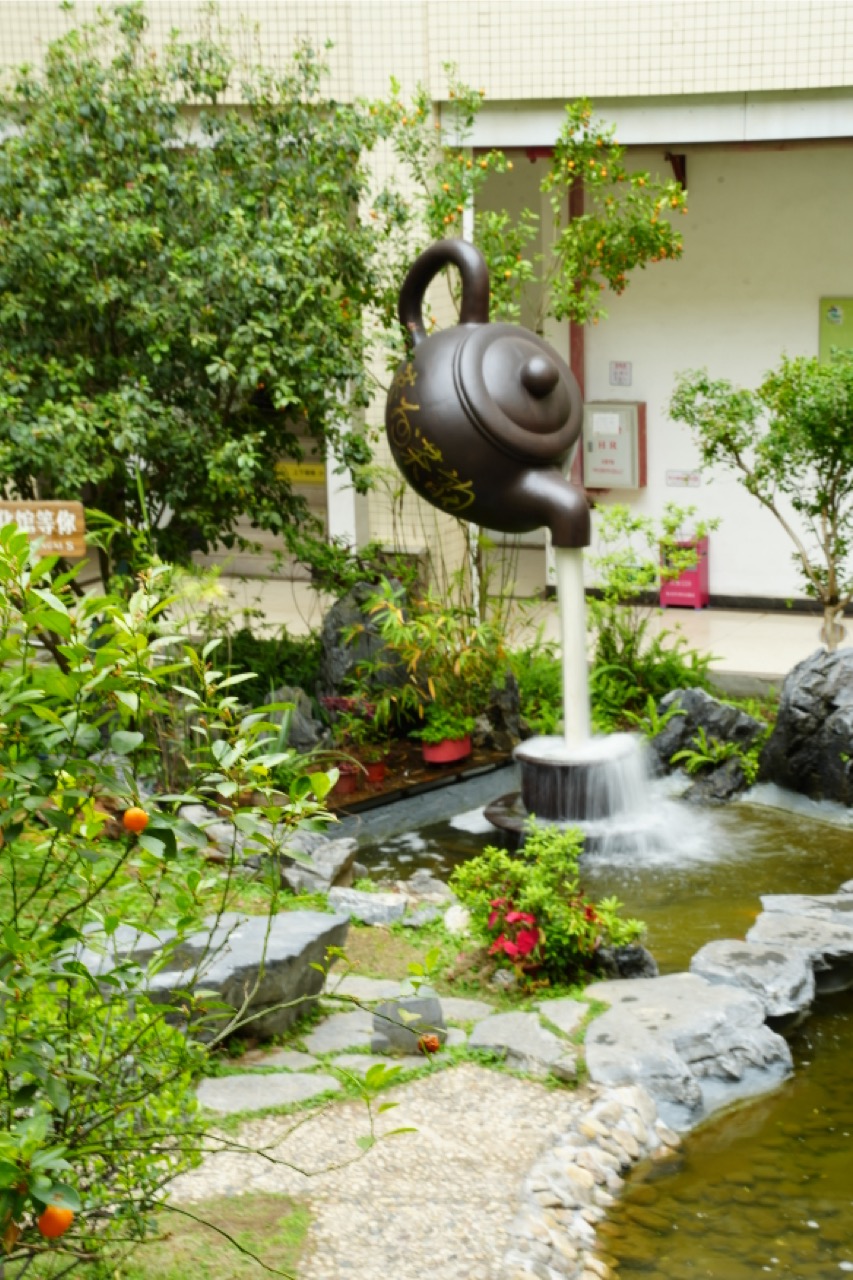
Another part I really enjoyed was learning to make Yingde milk tea and taking part in the tea-serving ceremony. Unlike Hong Kong–style milk tea, Yingde milk tea tastes richer and slightly maltier because it uses black tea grown in Yingde, a place famous for its tea plantations. Although we didn’t see the workers picking tea leaves, we saw some traditional machines like roasting pans and rolling tools. They helped me understand how tea is processed. The most interesting skill we learned was “pulling tea” — pouring the tea from one pot to another from a height. This mixes the tea with air to make it smoother and silkier. It was quite difficult at first because I had to control the height and angle carefully, but I improved after practising a few times. Making Yingde milk tea requires patience and focus, but it was really fun. The most meaningful moment was when we served tea to our teachers to show respect and gratitude. It reminded me that thanking and respecting others are important values that we should always keep, even in our busy lives. This activity was also part of the village’s rural revitalisation project, which uses tea farming to help local families improve their lives. It was inspiring to see how a traditional craft can bring both cultural and economic benefits to the community.
Overall, the study trip to Yingde was both educational and enjoyable. I returned to Hong Kong with a greater love for nature, a better understanding of national security, and warm memories of Yingde’s culture. I hope more students can join similar study trips in the future. I will never forget the beauty of Baojing Palace and the touching experience of the tea-serving ceremony.
Written by 5B LAW HOI CHING