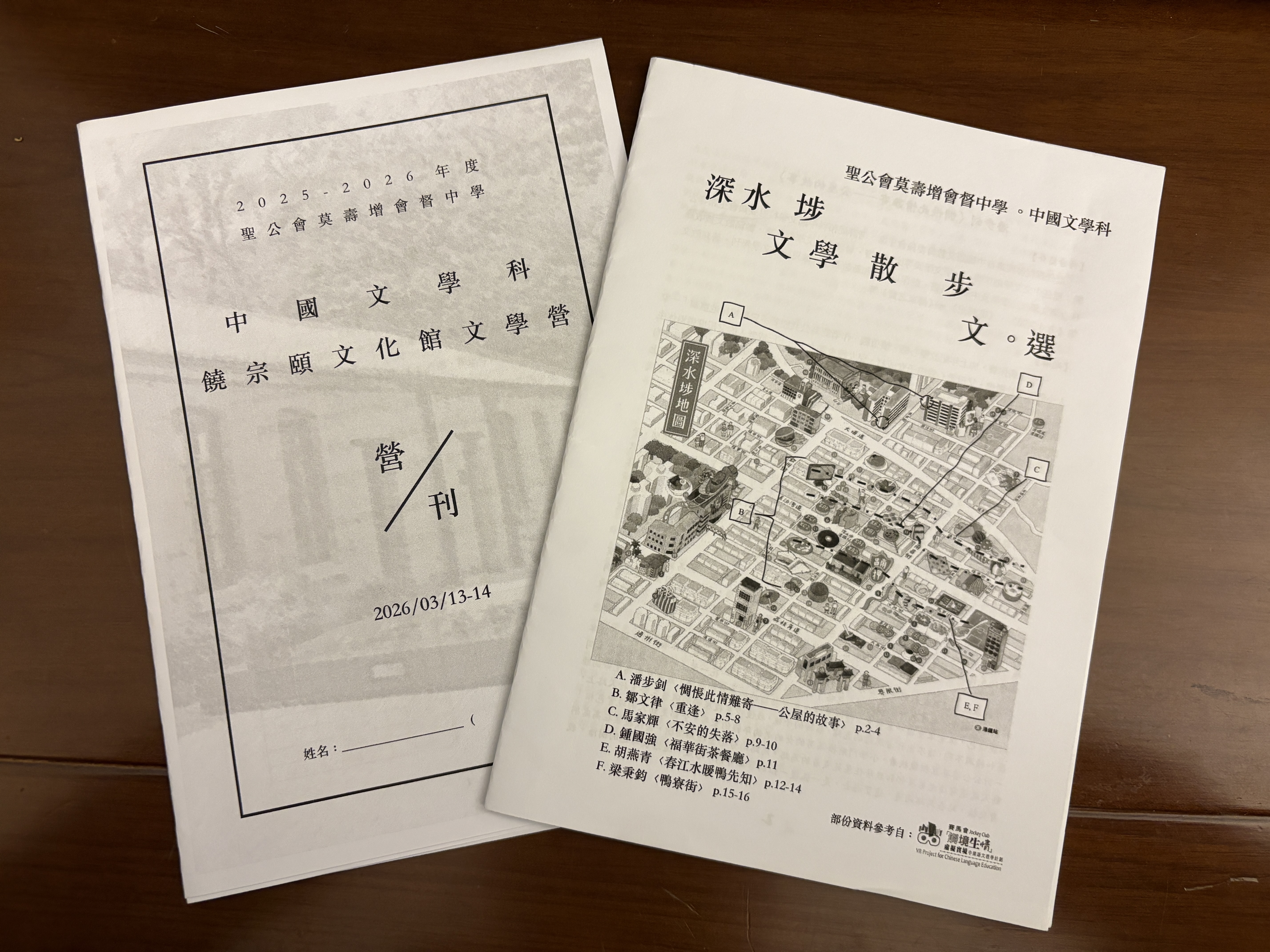
From March 13 to 14, 2026, our school organized a two-day literature camp for our Form 4 and Form 5 students studying Chinese Literature. The camp aimed to help students find inspiration for writing through real-life experiences, rather than just from books.
Day 1 Morning:
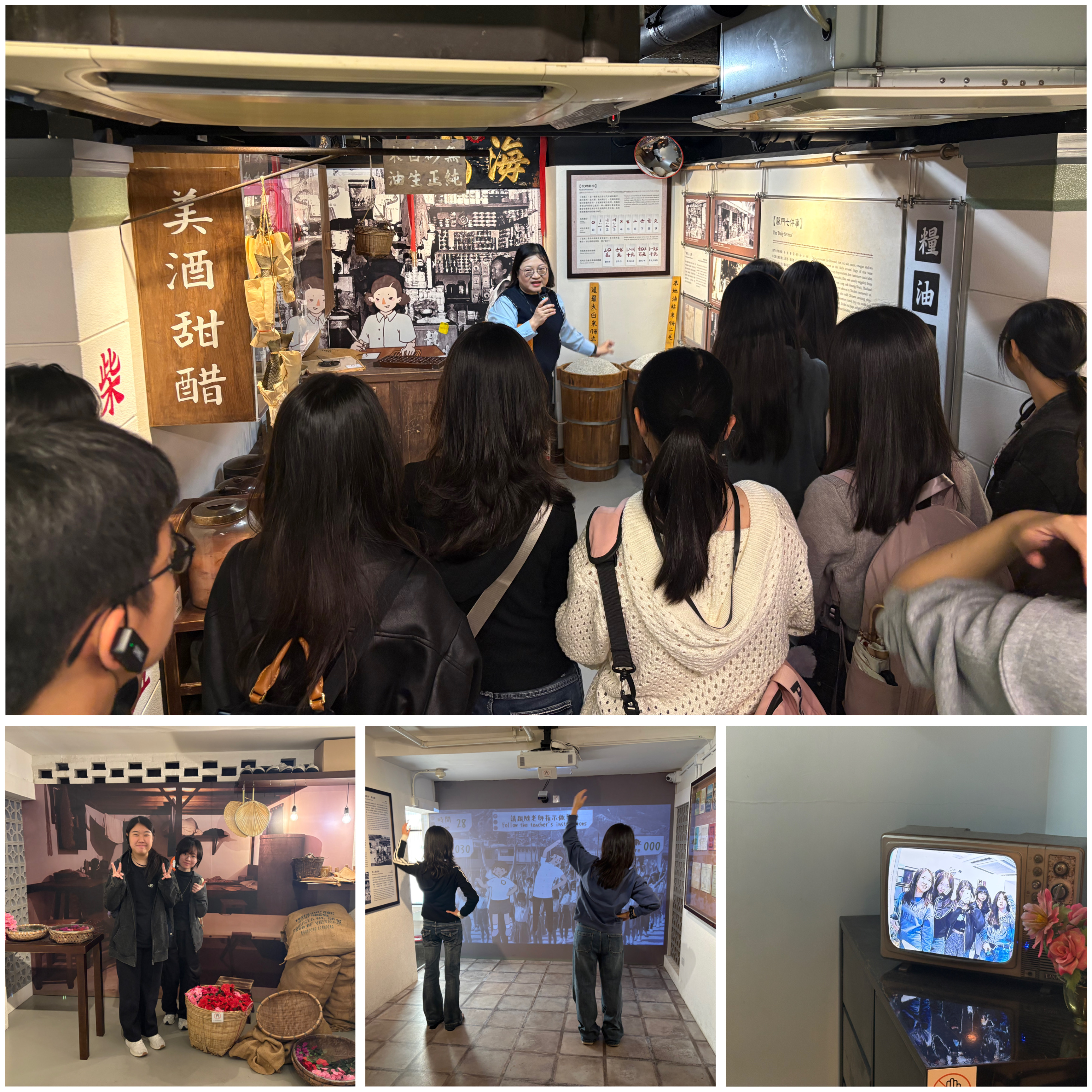
Mei Ho House Students first visited the Mei Ho House Museum. Walking through its narrow corridors, they felt like they had travelled back to the 1960s. The guide shared stories about the past — large families living in small rooms, scenes from old tea shops and playgrounds. Through this, students learned about the human connections that existed even in times of poverty.
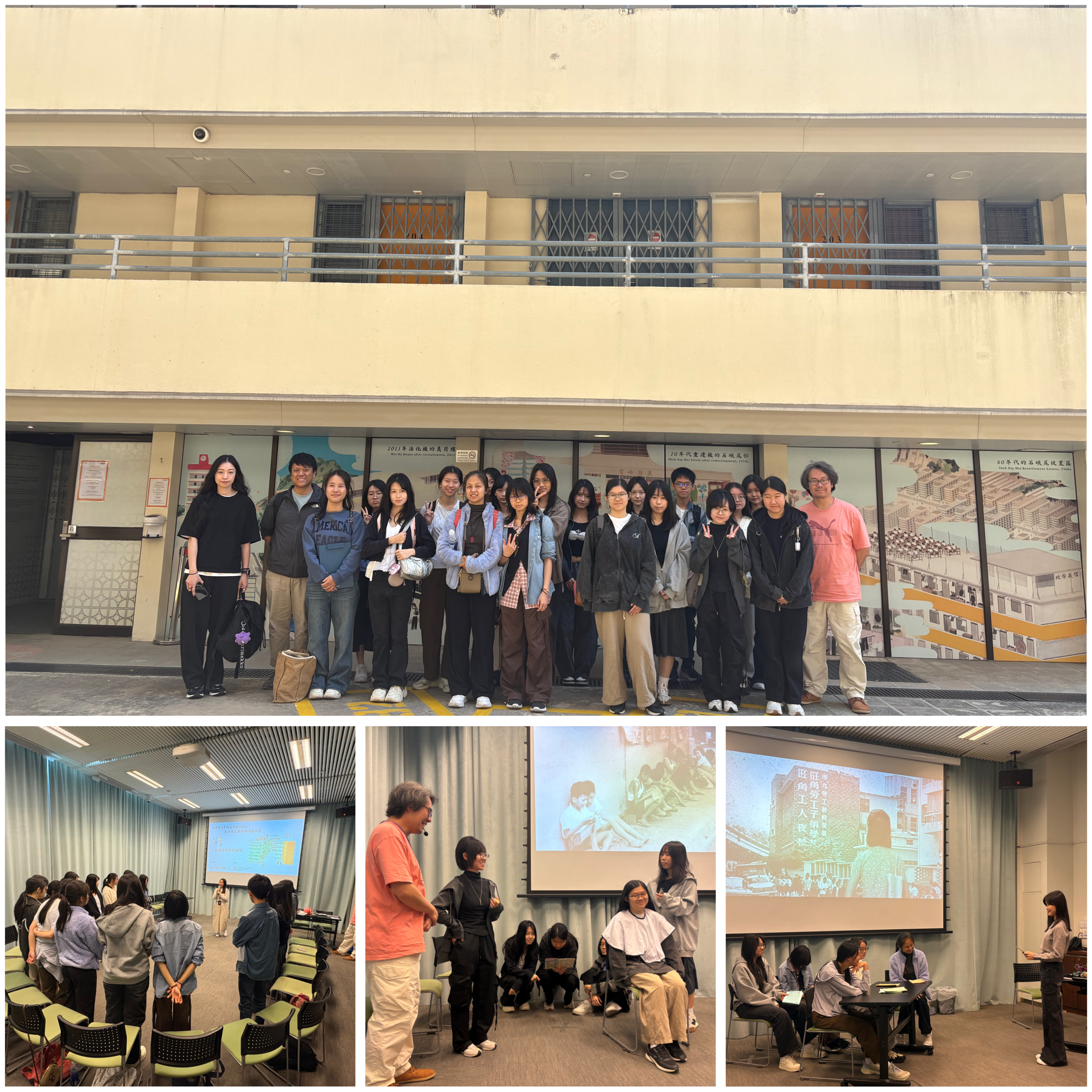
Next, students joined a drama activity called "When the Lotus Blossoms Again", led by alumnus Mr. Ip Man-chong. They acted out scenes about sharing small spaces with strangers and refugees struggling between ideals and family. This helped them think about life in the past and provided ideas for the "Bond Across Generations" essay competition.
Day 1 Afternoon:
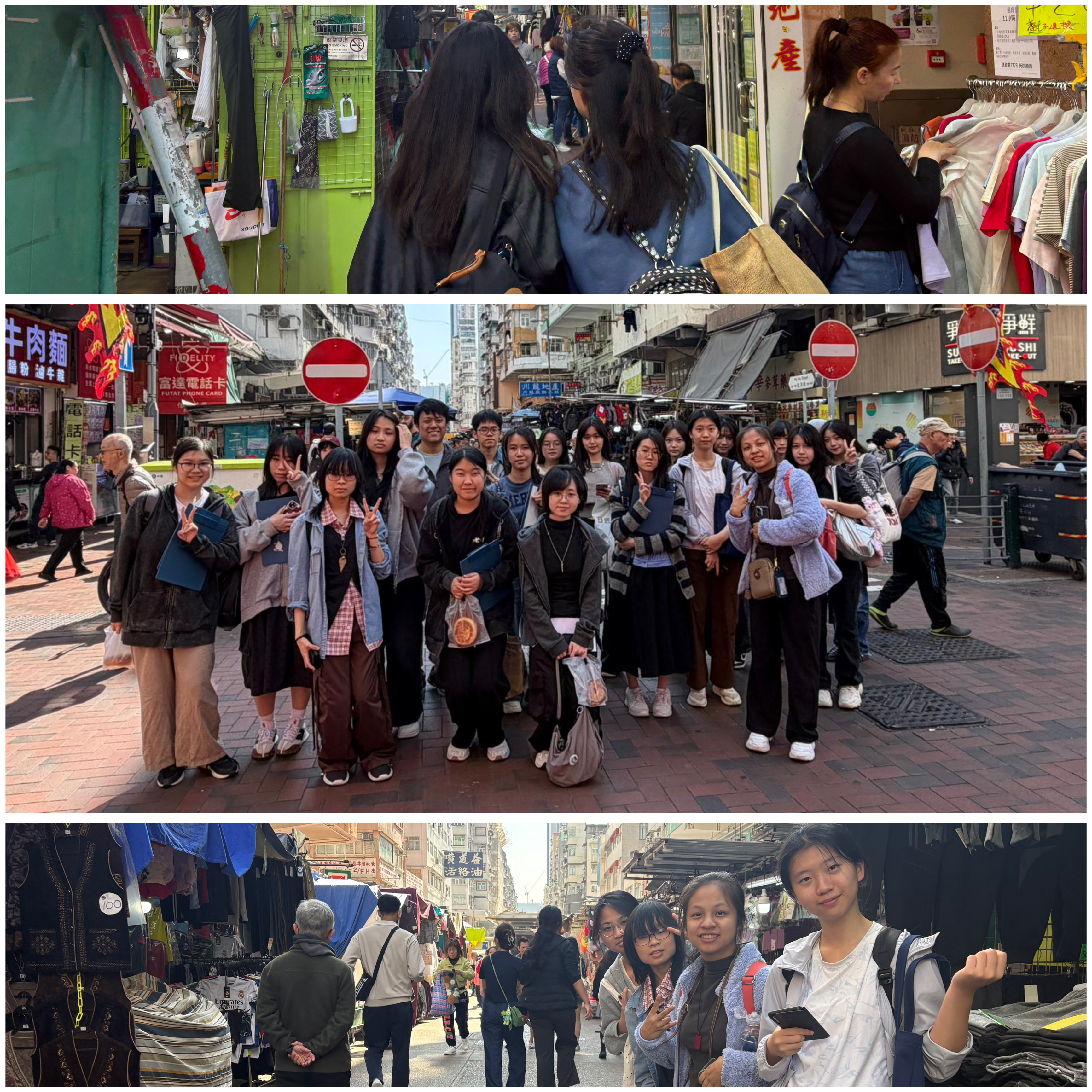
Sham Shui Po Literary Walk Students then went on a literary walk in Sham Shui Po. The activity had two parts: "Recalling the Past" and "Appreciating the Present".
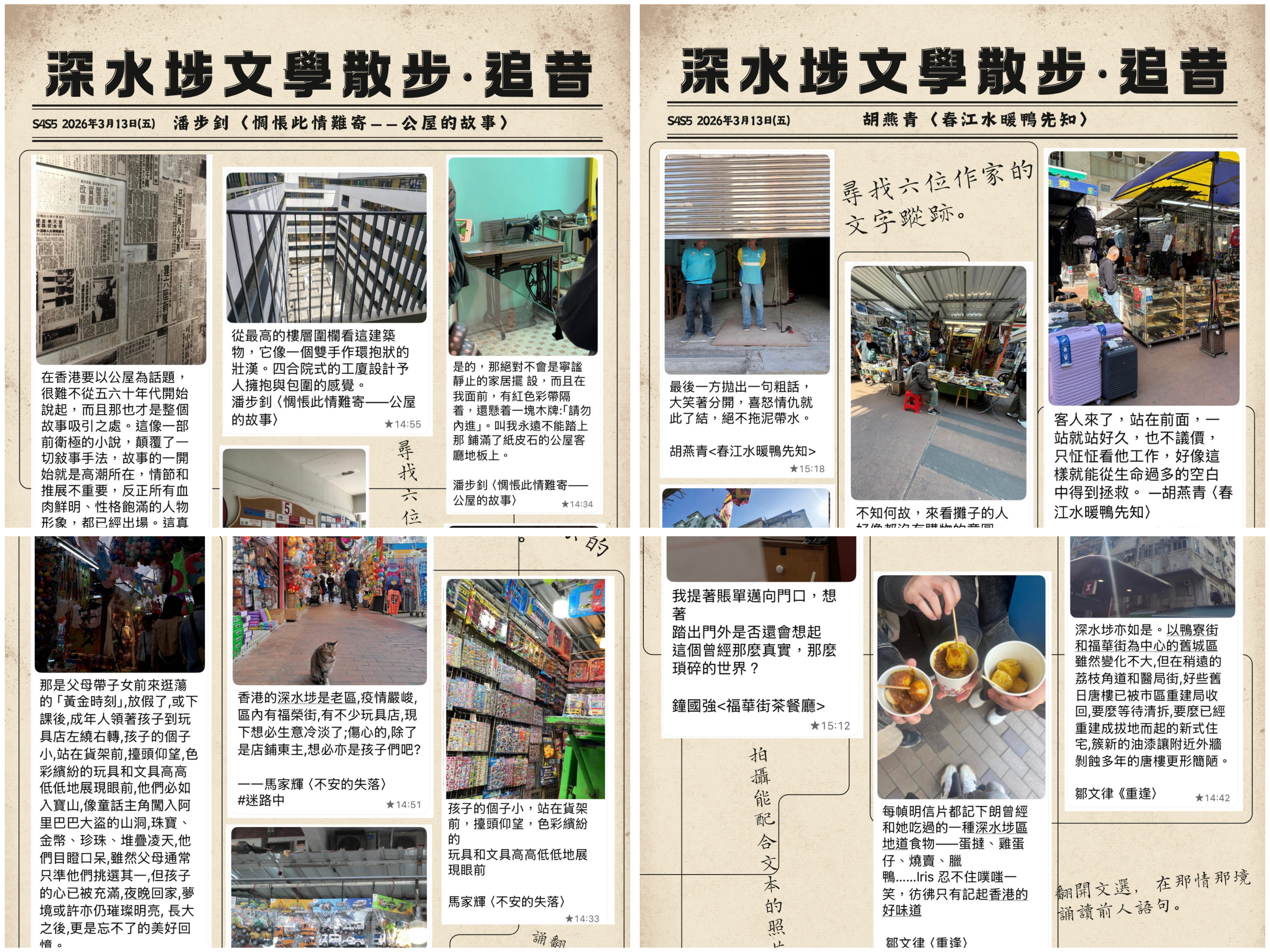
For "Recalling the Past", students read writings by six different authors while walking through the streets. They noticed how everyone interpreted the same texts differently based on what they saw around them.
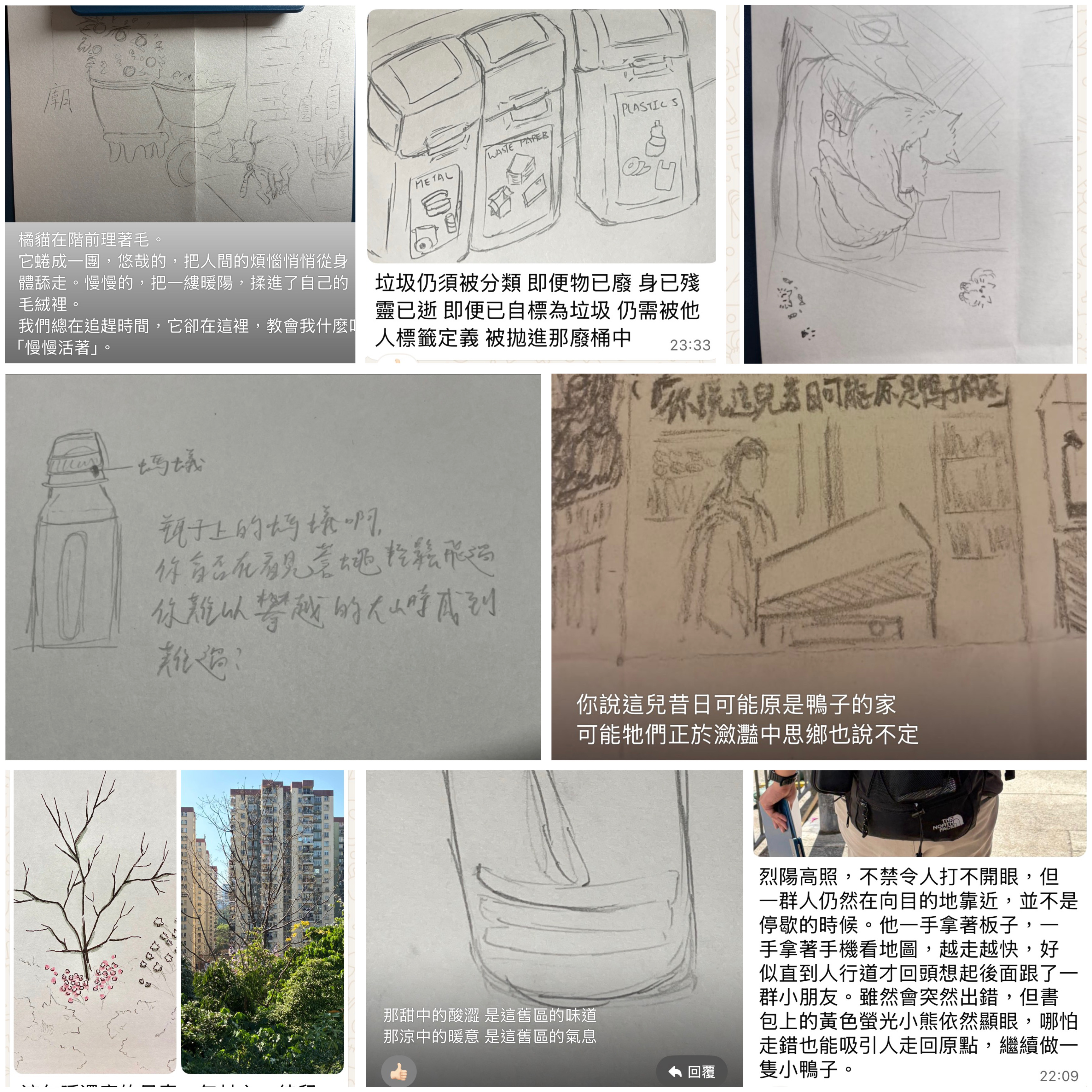
For "Appreciating the Present", students observed their surroundings — the alleys, shops, and people — and wrote down their thoughts or made simple sketches. The goal was to capture personal observations that might later become material for writing.
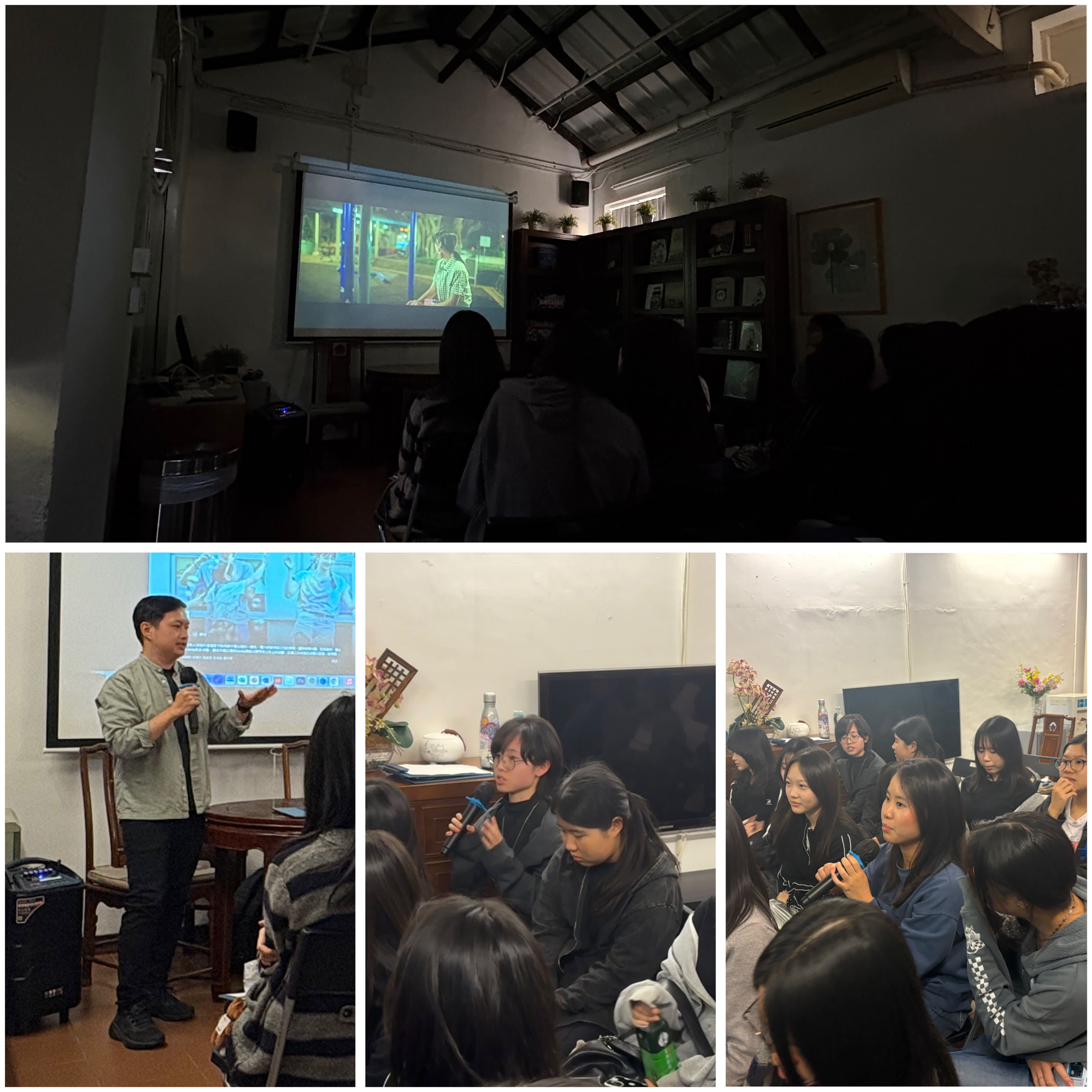
Day 1 Evening: Film Screening and Sharing In the evening at the Jao Tsung-I Academy, students watched the film "The Narrow Road". The screenwriter, Mr. Chung Chu-fung, was there to share his experiences. He talked about how to express emotions effectively, build characters with depth, choose meaningful symbols, and consider social issues when writing scripts. The sharing session gave students new ideas about creative writing.
Day 2:
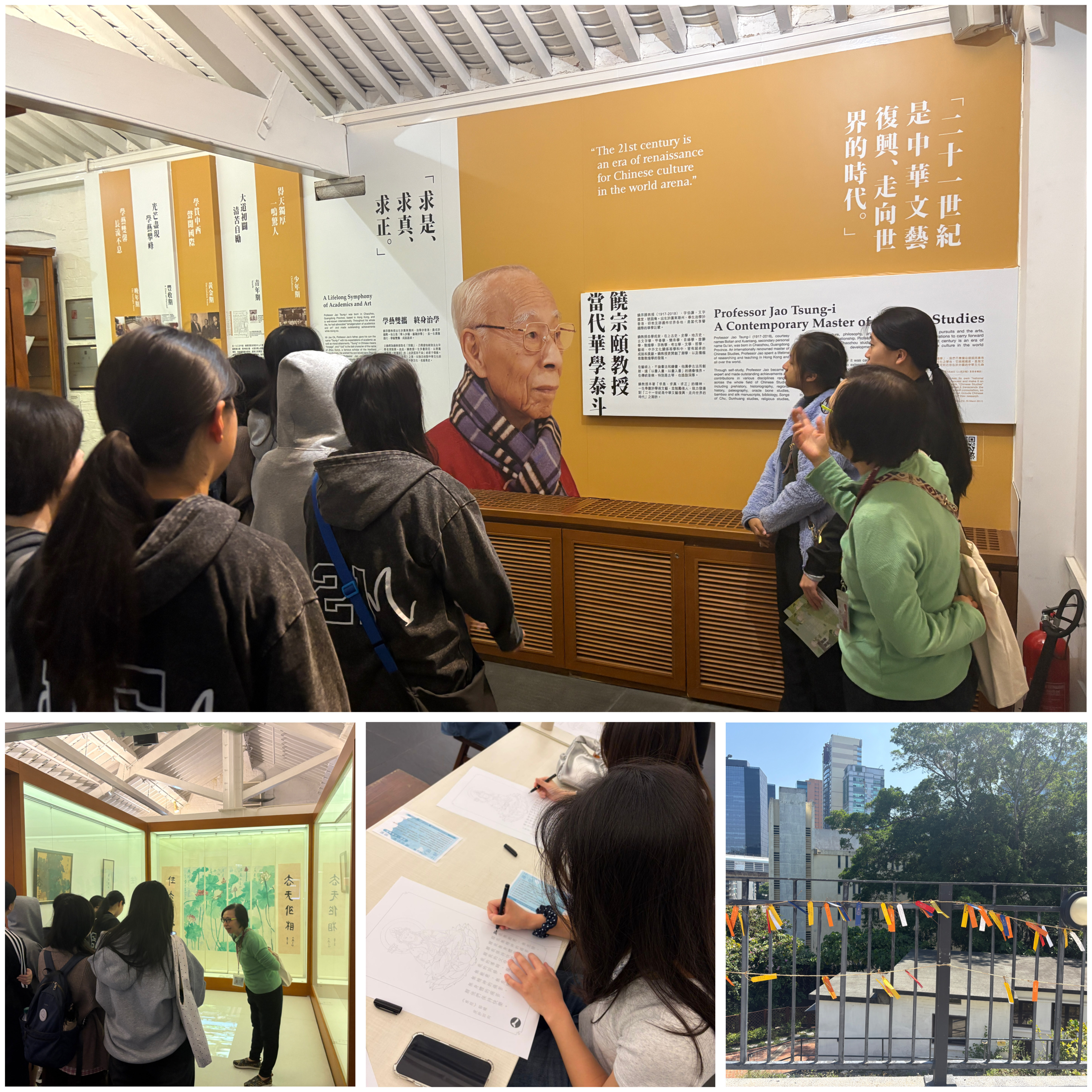
Jao Tsung-I Academy The next day, students joined a guided tour of the Jao Tsung-I Academy. They learned about Professor Jao Tsung-i, a renowned scholar of Chinese studies, and his contributions to Chinese culture. Students also visited the "Thousand-Person Meditation Carnival" held at the Academy. Through activities like copying sutras and quiet observation, they experienced Zen practices in a simple and relaxed way.
Throughout the camp, students stayed in the revitalised historic buildings of the Academy. This allowed them to enjoy a peaceful cultural environment away from the busy city. The camp helped students exchange ideas about writing, learn more about Chinese culture, and gain new insights into film and creative work. It is hoped that these experiences will enrich their thinking and writing in the future.